

Movement matters in schools and we have the proof. The past decade has been marked by powerful learning alongside a deep commitment to physical literacy in our classrooms. In the vast landscape of education, priorities constantly shift. Mandates come and go. People come and go. Initiatives come and go. Yet in our schools, the innovative work of physical literacy has had real staying power. This is the story of our decade in motion, and how we have made movement matter by keeping it a top, lasting priority.
Our journey began in response to alarming Canadian research showing that fewer than 9% of school‑aged children meet the recommended guidelines for daily physical activity, 60 minutes of moderate‑to‑vigorous, heart‑pumping, sweat‑producing movement (Cairney, 2018). At the same time, sedentary behaviours associated with increased technology use began an insidious creep into our schools. Paired with growing societal concerns about safety and fear of injury, what were once daily routines for many young people, walking to and from school, playing in the neighbourhood, and engaging in unstructured movement with friends, have gradually become more limited.
These converging factors positioned us to explore how to reverse engineer our school environments to be more active for all students. We began to lean into physical literacy alongside of self regulation as two strategies to address the interesting trends we were seeing.
Physical Literacy is the motivation, confidence, physical competence, knowledge and understanding to value and take responsibility for engagement in physical activities (Whitehead, 2016).
Under the leadership of physical literacy school district champions, Diane Nelson, Amber Pascual, and Erin Crawford, a small but mighty team came together, changing the course and culture of how we move to learn in West Vancouver classrooms. This spin is about physical literacy and how it became the glue through a decade like no other in our school district. With a staying power unlike any other initiative, physical literacy has transformed how we do school. Holding steady through a pandemic, supporting staff and students in managing rising stress levels, and reinforcing movement as an essential part of the learning experience, physical literacy has become central to our work. Ten years. One belief. Movement matters.
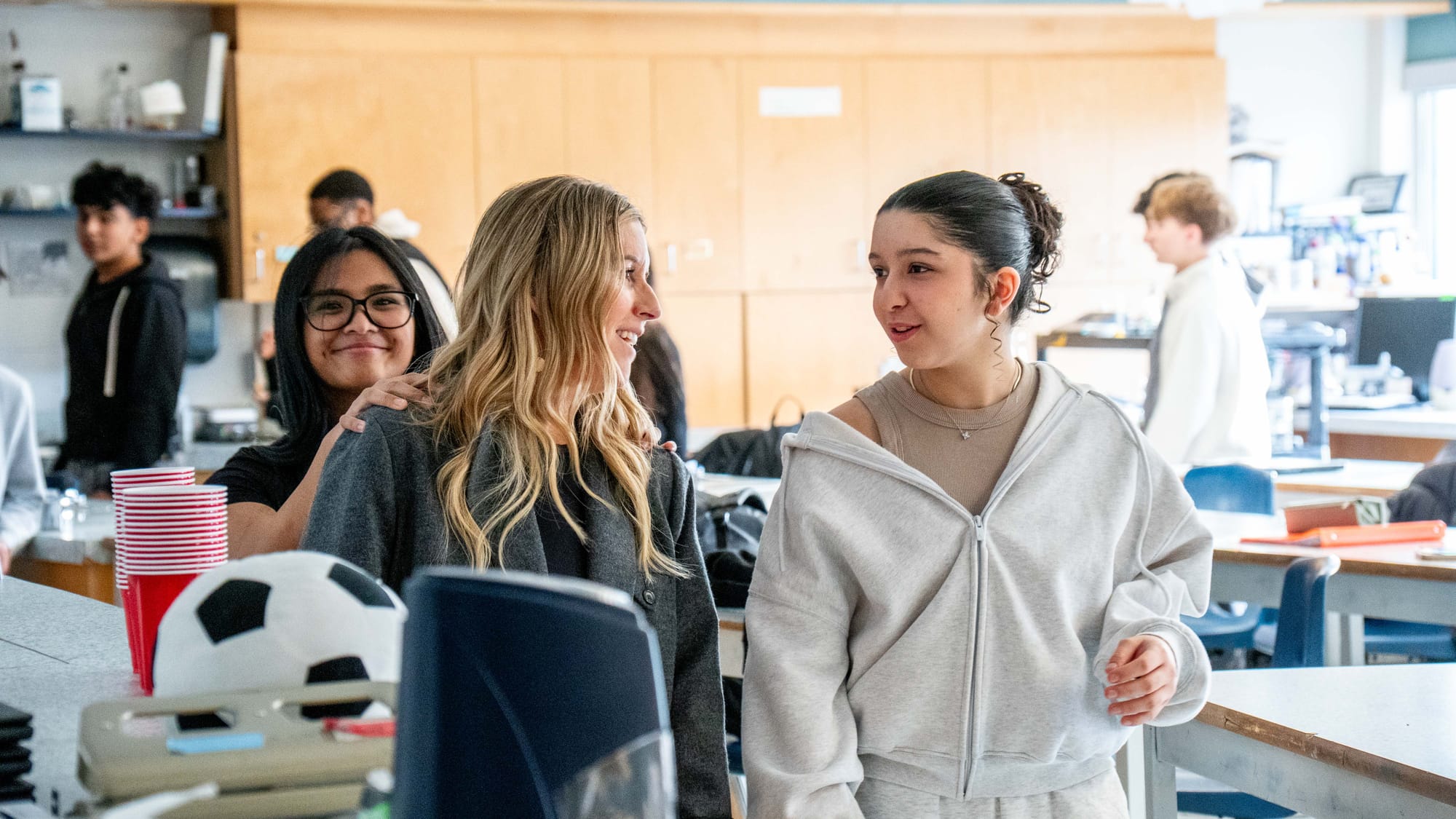
While there is a growing body of research highlighting the importance of physical literacy in schools, this spin does not delve deeply into that evidence. However, I would be remiss not to share the provocation that ultimately solidified our commitment to embedding physical literacy as a core foundation for learning in our elementary classrooms. As with all thoughtful educational initiatives, we collected data to inform our decision‑making. We targeted Grade 2 for our initial data pull and were genuinely shocked by what we discovered. In our pre‑assessment of 500 Grade 2 students, only 9% demonstrated competence across the five elements of physical literacy - elements we had assumed were already well established by this age.
- Motivation and Confidence (Affective)
Motivation and confidence refers to an individual’s enthusiasm for, enjoyment of, and self-assurance in adopting physical activity as an integral part of life.
- Physical Competence (Physical)
Physical competence refers to an individual’s ability to develop movement skills and patterns, and the capacity to experience a variety of movement intensities and durations. Enhanced physical competence enables an individual to participate in a wide range of physical activities and settings.
- Knowledge and Understanding (Cognitive)
Knowledge and understanding includes the ability to identify and express the essential qualities that influence movement, understand the health benefits of an active lifestyle, and appreciate appropriate safety features associated with physical activity in a variety of settings and physical environments.
- Engagement in Physical Activities for Life (Behavioural)
Engagement in physical activities for life refers to an individual taking personal responsibility for physical literacy by freely choosing to be active on a regular basis. This involves prioritizing and sustaining involvement in a range of meaningful and personally challenging activities, as an integral part of one’s lifestyle. Source: Physical Literacy
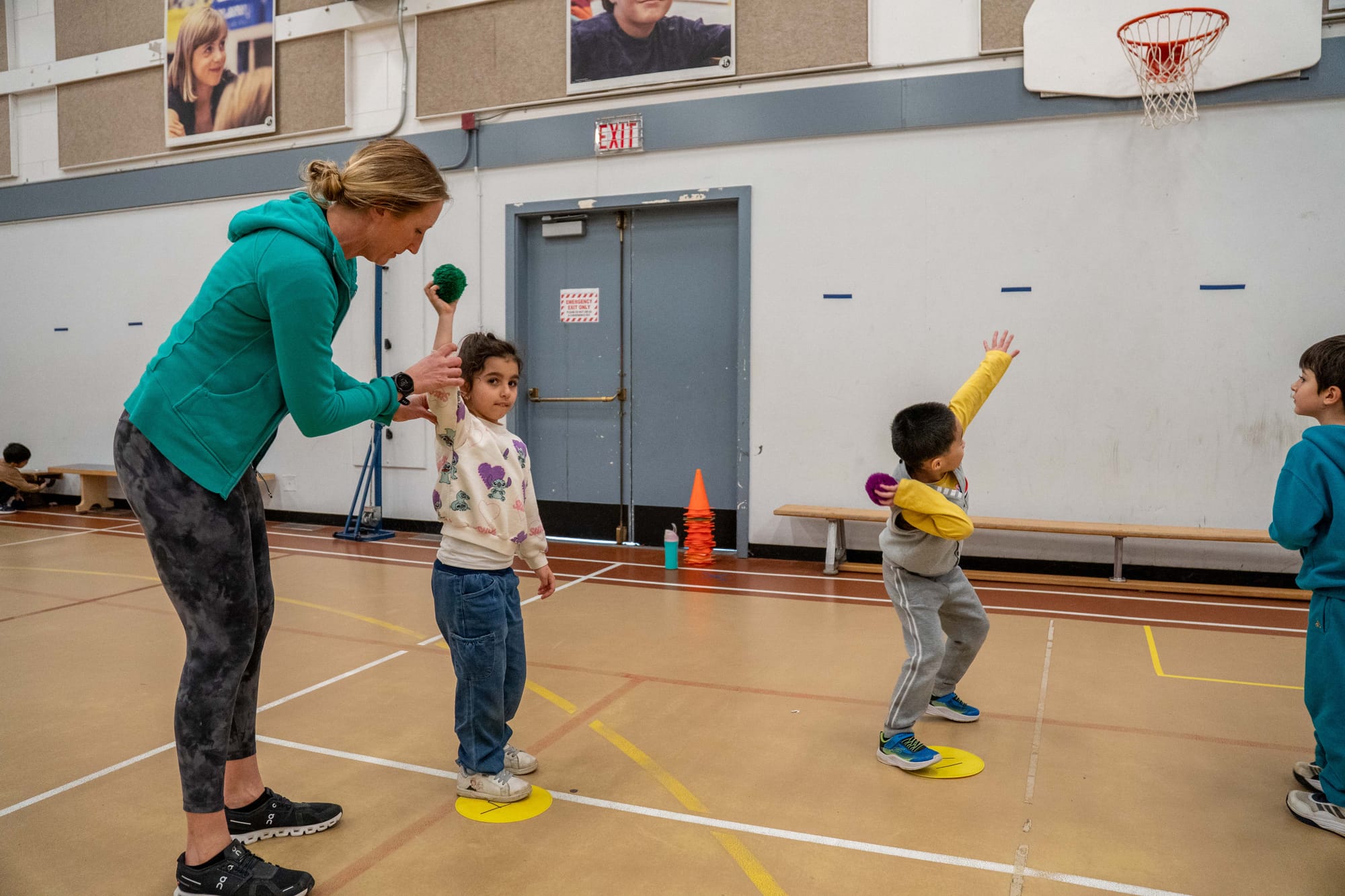
As a result of Diane Nelson’s visionary leadership, alongside the expertise of lead educators Amber Pascual and Erin Crawford, a five‑month intervention was launched. Amber and Erin quickly became familiar and trusted presences in West Vancouver primary classrooms as they worked tirelessly alongside classroom teachers. Together, they collaborated with national experts to design a targeted physical literacy intervention that met students where they were. The focus was on building skills, confidence, and motivation through intentional, inclusive, and developmentally appropriate movement embedded in everyday classroom life.
Using their data, Amber and Erin identified specific skill gaps and designed learning experiences to address limited fundamental movement skills such as throwing, hopping, and balancing. Through small, intentional skill‑building opportunities, they began to build competence while simultaneously addressing students’ low confidence and reluctance to participate. By bringing joy, warmth, and positive energy into everything they offered, success through repetition and simplicity became a key driver of change.

Difficulty with self‑regulation was intentionally addressed through movement. Classroom “makeovers,” led by our district self-reg team, reduced clutter and created space for movement, while the physical literacy team added visual markers, clear cues, and predictable movement routines. Together, these thoughtful adjustments lowered students’ cognitive and emotional load, helping them report feeling “more ready to learn” and allowing them to focus more fully on movement quality.
Throughout these intentional redesigns, Amber and Erin used explicit language to build understanding and motivation—not just movement. Skills were intentionally named alongside why they mattered and how they connected to daily life. Movement was positioned as belonging within learning, not outside of it, as educators learned to integrate physical literacy into core classroom instruction.
With time, careful monitoring, ongoing adjustment, and the ongoing celebration of individual student growth, the impact became clear. Five months post our initial assessment phase, the data revealed that 54% of Grade 2 students demonstrated competence across all five elements of physical literacy—up from just 9%.
Fast forward ten years later, physical literacy and health are embedded as a key priority in our school district strategic plan. Every one of our elementary students have experience physical literacy bursts across our schools, and we are now piloting this work in our secondary schools. What we are discovering is that ten years in motion has fundamentally changed the way we do school.
Sentinel Physical Literacy Reel, K. Giambattista, West Vancouver Schools, 2026
After ten years in motion, some lessons have risen above the rest. This work has true sticking power, and there are important reasons why. Few educational initiatives sustain momentum over a decade, let alone emerge with renewed energy and lasting impact. The following section shares our top ten learnings, shaped through practice, persistence, and a deep commitment to doing better for all our learners.
#1: Relationships
Amber and Erin have worked alongside hundreds of educators in our classrooms. Their ability to build trusted partnerships with teachers, education assistants, and school staff has been instrumental in sustaining and scaling movement‑based learning across our schools. The old adage of moving at the speed of trust rings true, and the relational sticking power of our physical literacy lead educators has kept this work firmly in the fast lane.
#2: Infrastructure
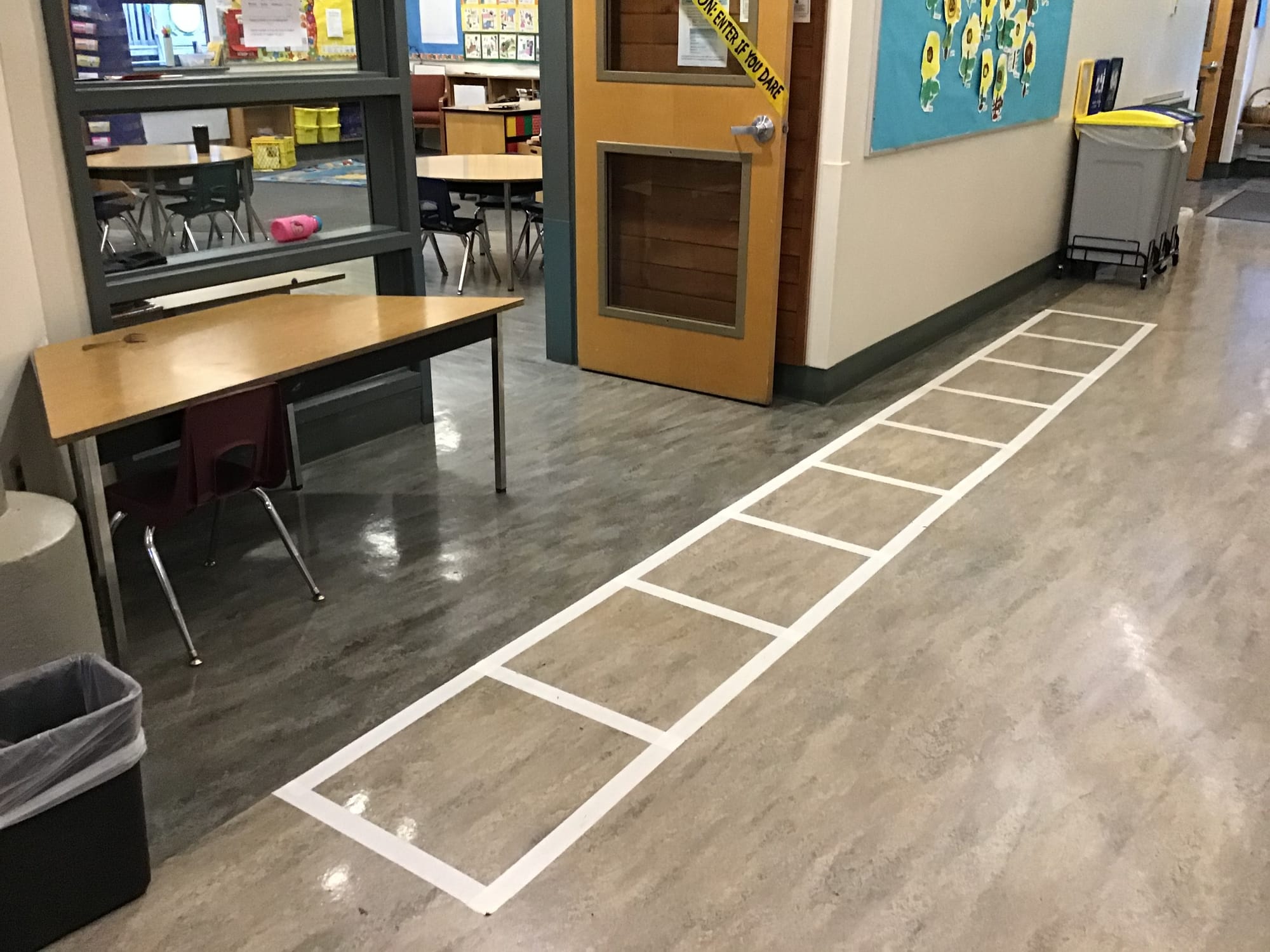
Creating an infrastructure for physical literacy involved establishing a clear system of supports, processes, conditions, and practices. This included organizing district‑wide schedules, purchasing easy‑to‑use equipment, and sharing low‑cost-no‑cost tips and classroom strategies. It also required intentionally modifying learning environments. Designing painted and embedded indoor and outdoor movement circuits in every school became a key initial strategy to make this work visible, and it worked, inviting everyone to see and experience how movement matters.
#3: Leadership
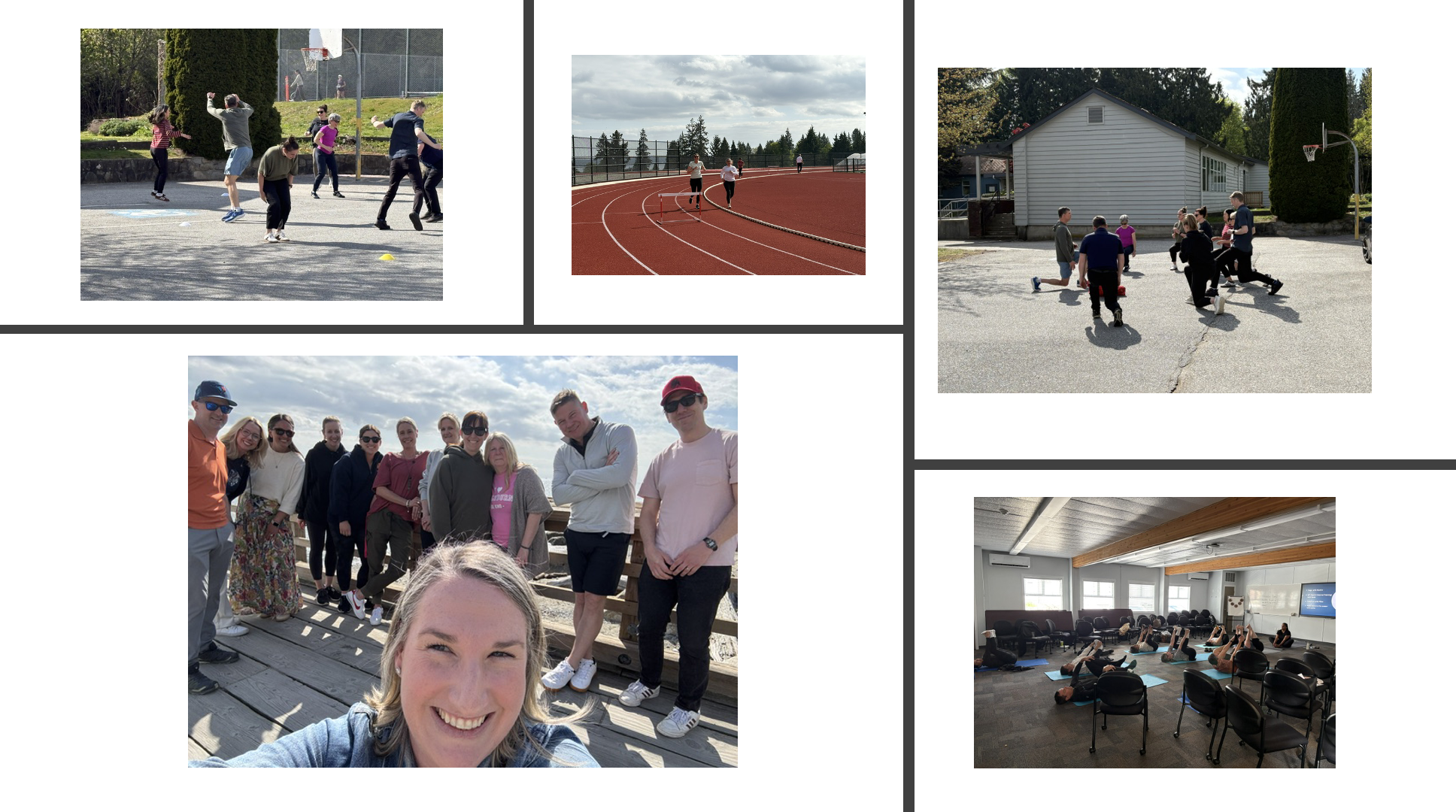
Leading this work involved a strong commitment to collaboration. This work expanded beyond our school district as our team was tasked with sharing their efforts at international, national, and provincial conferences. Local partnerships also emerged within our community, with Vancouver Coastal Health collaborating with us on the creation of Physical and Health Education modules. Our stewardship in leading how we serve our community by doing has made making movement matter much bigger than physical activity; it is about living together in community and caring for our own wellbeing alongside the wellbeing of others.
#4: Research
Over the past decade, our work has caught the attention of researchers seeking to understand why physical literacy, self‑regulation, and inclusive education are not only powerful change agents in classrooms, but also initiatives with true staying power. Our participation in the WAVES research study, formally known as Physical Literacy for Communities (PL4C), reflects this shared curiosity and commitment to student success. This three‑year longitudinal research project conducted in our schools examined the relationships between physical literacy, daily movement behaviours, and children’s wellbeing.
This research is a seminal example of our intentional approach to evidence‑informed practice and our commitment to ensuring positive outcomes for all learners. The WAVES study generated robust data that has guided our continued focus on physical literacy as a core foundation for learning in West Vancouver schools, while also contributing to the broader discourse shaping public education policy and practice across Canada and internationally.
Physical literacy (PL) is a multidimensional construct that encompasses fundamental movement skills, confidence, motivation, and knowledge and understanding, and may be an important determinant of children’s participation in physical activity (PA) and mental health. To assess these relationships, a longitudinal cohort study design was utilized in elementary schools in West Vancouver. The purpose of this study was to assess whether PL predicted mental health outcomes in children at three time intervals over two years (2022-2024), independent of physical activity. Data were collected initially from 358 children (Grades 2–3) across 14 elementary schools (A. Pascoal, 2025).
The WAVES research study clearly demonstrated that physical literacy is foundational to student wellbeing and success. When students develop the confidence, competence and motivation to move, they also experience stronger mental health outcomes showing us that how our students move, and how they feel about moving matters, not just how much they move.
Our commitment to research‑informed practice continues. More recently, we have partnered with Simon Fraser University on ongoing research examining the success of inclusive practices in one of our elementary schools. Alongside this external research, we have been deliberate in developing and using our own data sources to maintain instructional focus, respond to student needs, and support informed, responsive educational decision‑making across the district.
#5: Evidence
Evidence‑based practices ensure that classroom instruction is focused on custom‑based assessment built to capture meaningful observation data. These practices go above and beyond traditional assessment measures to ensure that the focus on student improvement doesn’t stray. Over the past decade, the data compiled by our team has informed why scheduling priorities have been made and why our physical literacy work is now interwoven into the fabric of inclusive education.
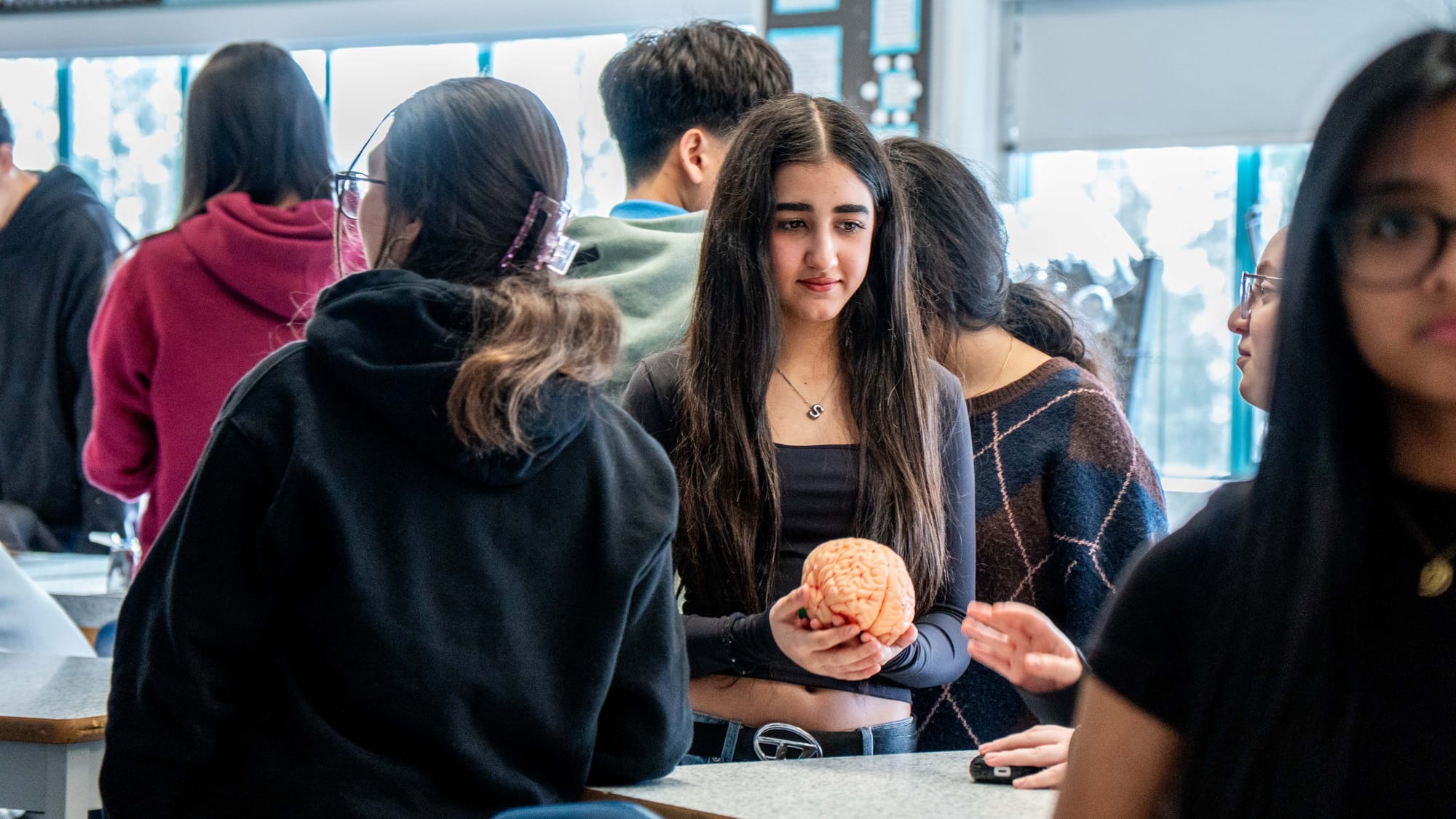
Deep cognition involves a myriad of factors, and the evidence positions movement‑based experiences as being an integral part of modern education. Students need to understand the brain‑body connection and how important it is to weave together mental and physical health experiences alongside academic rigour. The evidence speaks for itself, students who understand and experience this connection are more resilient and more capable of doing the heavy lifting required for complex academic learning.
#6: Connection
There are two names that have been ever‑present in district‑wide conversations about the supports that have made a difference: Amber and Erin. Their skilled, caring, in‑person, real‑time approach to supporting educators has been warmly received and welcomed in classrooms across the West Vancouver School District. Their passion and “yes‑you‑can” ways have created a positive contagion of change.
They have nurtured these connections by centring their practice on humanity, on kindness, compassion, and meeting people where they are. By creating a detailed annual schedule of school and classroom visits and communicating this clearly in advance, Amber and Erin have protected in‑person connections. They have complemented this work with their bi‑weekly WOW newsletters, shared with all elementary educators, providing ongoing remote support and guidance to keep the focus on making movement matter every day for our students.
#7: Scale
Scaling refers to the intentional expansion of effective physical literacy and health practices so they can be sustained and experienced by many, without losing their impact. Our physical literacy team’s strategy has never been about classroom teachers “doing more,” but about creating scale the right way, through consistent supports, clear routines and shared language, strong relationships, and systems that protect quality. This is a top‑ten learning that still blows my mind, so get ready for the numbers: over the past ten years, our physical literacy team has delivered 5,040 workshops to educators, students, and families. From "PL in a Bag" to "Boost your Brain" these workshops have engaged hundreds of individuals empowering them with knowledge and opportunities to embed movement throughout the school day in powerful, thoughtful and intentional ways.
It is also important to note that the scale of our physical literacy work has extended beyond our school district through our partnership with Sport for Life. One highlight of this partnership has been our physical literacy team’s involvement in designing and writing the SPAPI Project, which, since its inception, has been rolled out to every school district in British Columbia.
#8: Integration
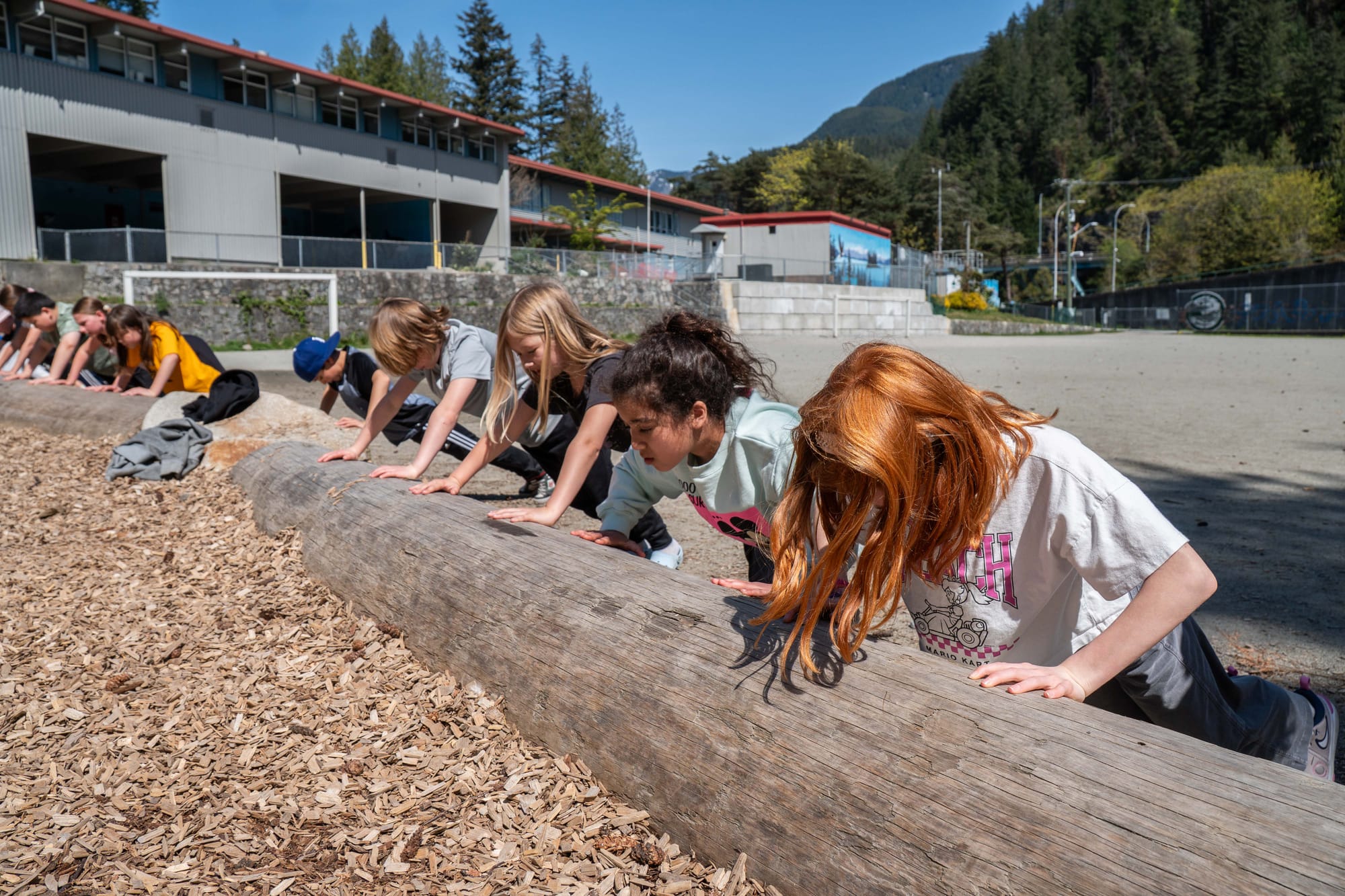
Physical literacy began picking up momentum when it stopped living on the margins and became integrated into core learning in our classrooms. Physical literacy is not an extra PE or gym class. It does not live within the box of a workout or a team sport. Physical literacy “is the motivation, confidence, physical competence, knowledge, and understanding to value and take responsibility for engagement in physical activities for life” (International Physical Literacy Association, 2014). When educators integrated movement into core learning experiences, physical literacy shifted from an initiative to a way of doing school. Movement was no longer something added on, but something woven throughout the school day, supporting literacy, numeracy, self‑regulation, and wellbeing. Integration ensured that physical literacy belonged to everyone, every day.
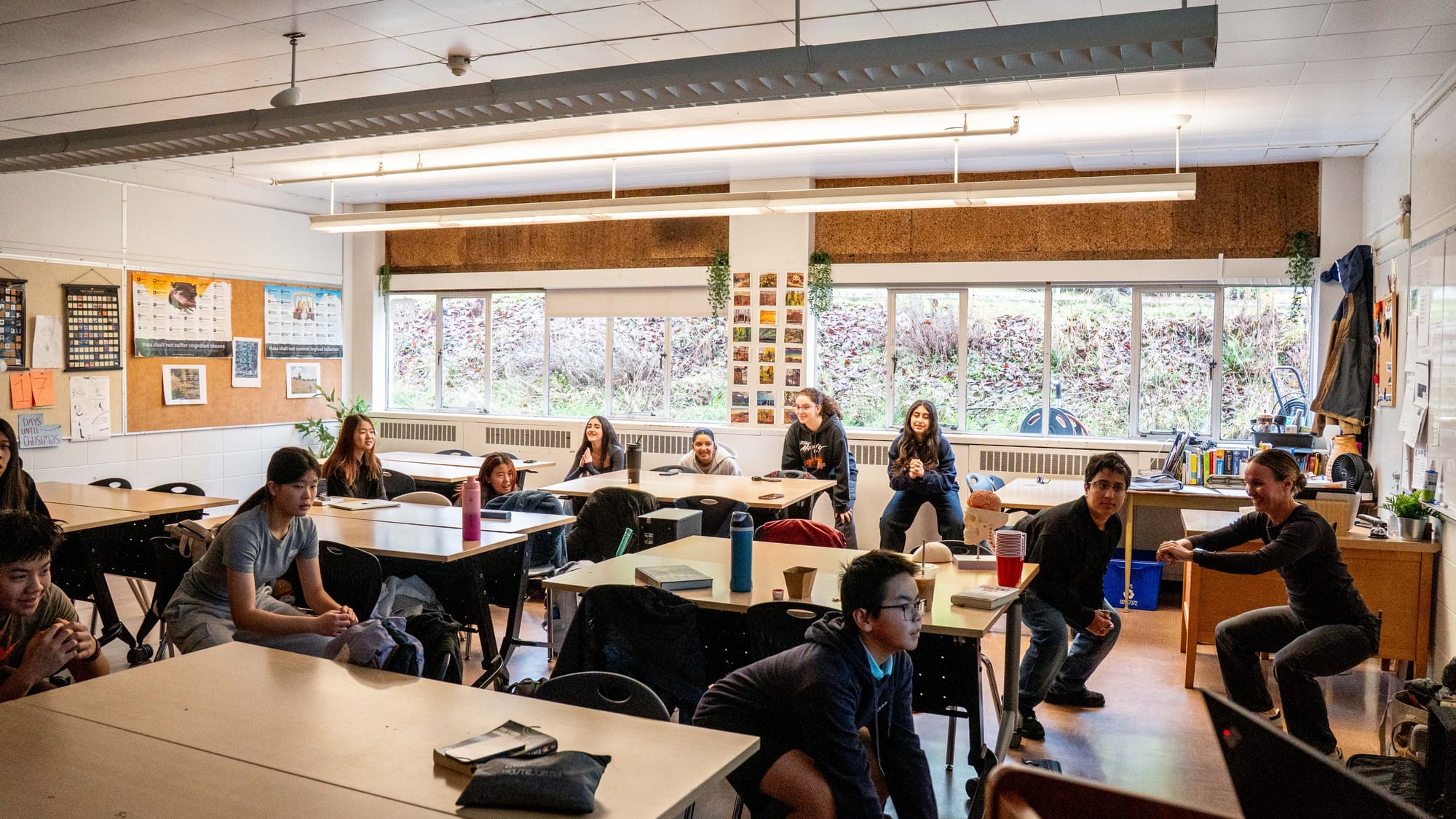
The strategic integration of physical literacy into our district inclusive education suite of student and classroom supports is proving to be particularly powerful. The symbiotic connection between regulation and movement is a key consideration in our Tier One universal support structure. Knowing how to use movement intentionally to support regulation allows educators to proactively create learning environments where all students are better prepared to engage, learn, and succeed.
#9: Innovation
Innovation is a core commitment in West Vancouver Schools. From our leadership in artificial intelligence, inclusive education, district academies, early learning, and much more, our district has a long-standing history of large-scale innovation. While the case for physical literacy has been well established, its lasting impact lives in the power of innovation and its ongoing iteration in our schools.
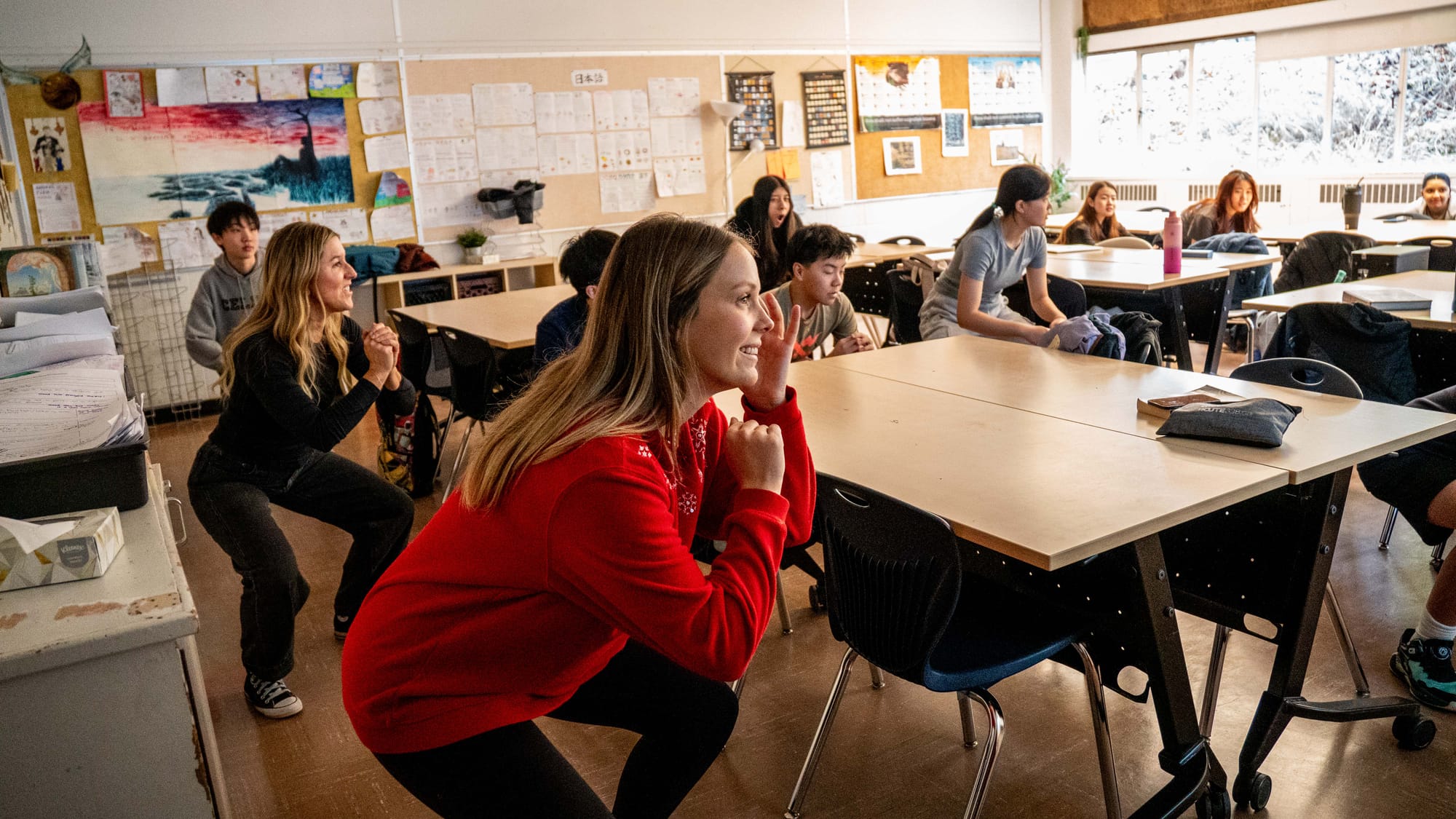
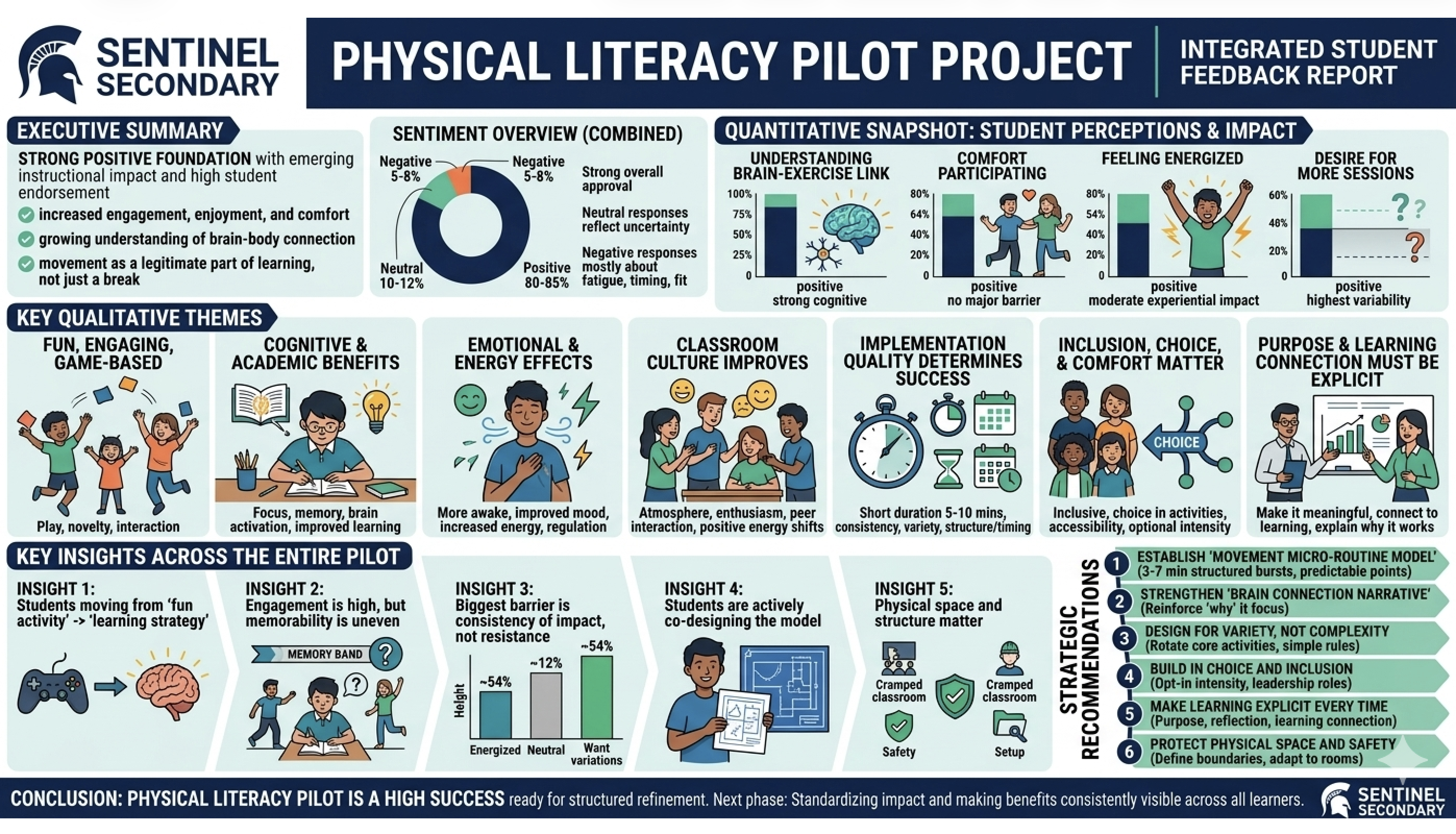
This work is grounded in responsive, purpose-built design physical literacy workshops, toolkits, and programs that adapt to the specific needs of learners and school communities. A powerful example of this approach is our ongoing pilot at Sentinel Secondary School. This initiative represents our first systematic and intentional reach into the Grades 8–12 context.
To date 24 mini-lessons have been implemented with the single goal: getting students out of their seats by seamlessly embedding movement into academic instruction. Feedback from initial student surveys, alongside staff reflections, has been incredibly compelling. This innovation is working, enhancing student learning experiences while also reducing stress levels for both students and educators.
The following infographic illustrates early feedback and emerging promising practices as we continue to embed physical literacy across our secondary schools. For additional perspective, see Vice Principal Shawn Anderson's blog post, where he shares his insights on Sentinel's ongoing journey.
#10: Impact
Our decade-long physical literacy journey has demonstrated a profound and lasting impact on learning, wellbeing, inclusion, and student success, from Kindergarten through to high school. The evidence is clear, when movement matters, it becomes foundational to both wellness and academic excellence in our classrooms.
Educators play a critical role in bringing physical literacy to life each day. Through the ongoing mentorship of Amber and Erin, we continue to see students build confidence, competence, and motivation to move. This sustained support has been essential in maintaining momentum and deepening practice across our schools.
Few educational initiatives demonstrate the staying power that physical literacy has achieved in our district. In reflecting on this success, much of the “magic” lies in the personalities, passion, and tenacity of our physical literacy team. Their ability to relate authentically to the realities of today’s classrooms and to cultivate collaborative, trusting relationships truly are their superpowers.
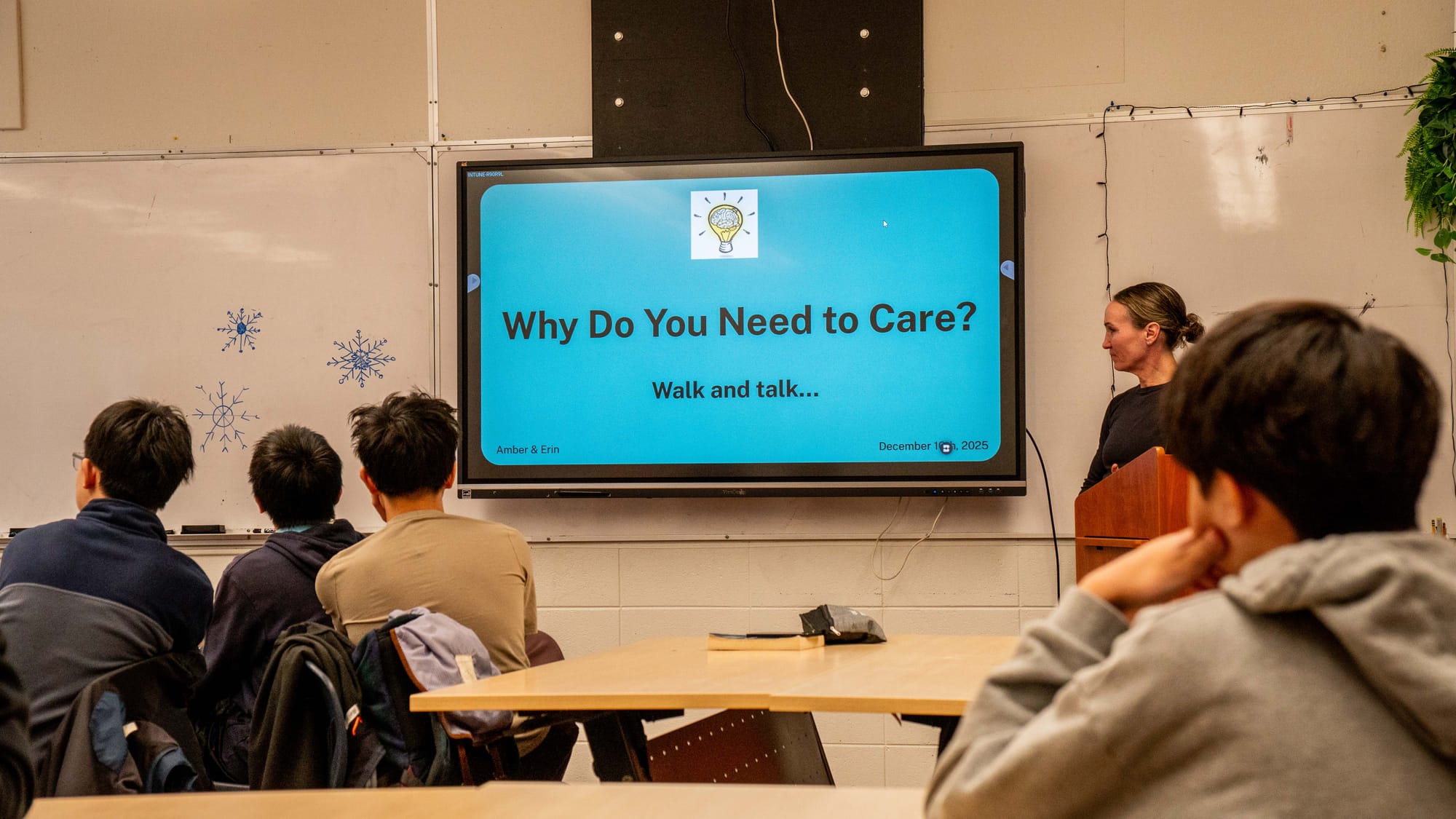
Equally important is the influence of our long-standing culture of movement as a district. Walk-and-talk meetings are valued over desk-bound conversations, reinforcing our shared belief in movement as a catalyst for thinking, connection and wellness. Our schools are uniquely situated in natural environments, whether by the ocean or the mountains, either or are within walking distance of every West Vancouver school and district office. These natural gifts are not taken for granted; they are intentionally and thoughtfully leveraged by our educators and staff to enrich learning and wellbeing for all.
As I wrap up this latest spin, this work feels far from finished. While we are celebrating an important chapter in our story of student success, we remain firmly grounded in an ongoing physical literacy learning journey, one shaped by curiosity, collaboration, and a shared commitment to student wellbeing and success. The momentum continues; this spin is still moving.
Author's Note:
Full credit belongs to the true West Vancouver School District giants of our physical literacy journey: Diane Nelson, Amber Pascual, and Erin Crawford. Their ability to hold steady to this work, amid a myriad of competing educational priorities, is a testament to their insight, intelligence, and unwavering commitment to doing better for all learners in our classrooms.
Once again, in the spirit of author integrity, I note that my Copilot AI thought partner assisted with light editing and grammatical revisions to assist with publication.