

Sometimes getting a little lost is exactly what you need. It sounds cliché, but when you step off the familiar path, you see things differently, and that perspective can lead to something valuable.
I am going to preface this spin by admitting that my husband was 100% right. I am also going to share that I'm also a little embarrassed about what I let happen. The good news: all ended well, there was enough daylight and a downstream to follow, but it could have turned out very differently land it would have been entirely my own doing. What was meant to be a short snowy hike became long adventure with a lot of much needed quiet think time about decisions made and choices to come.
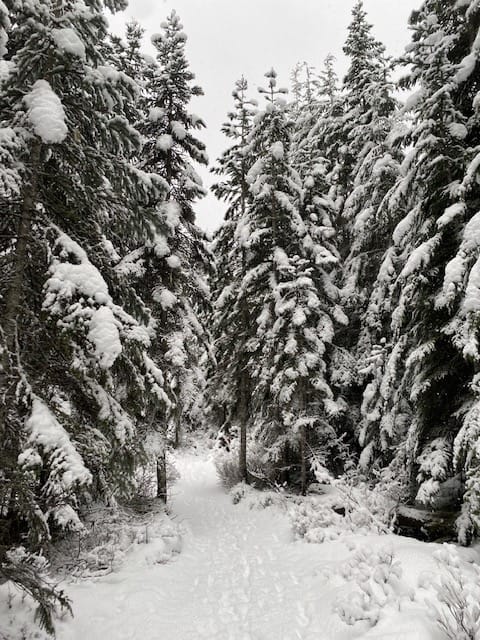
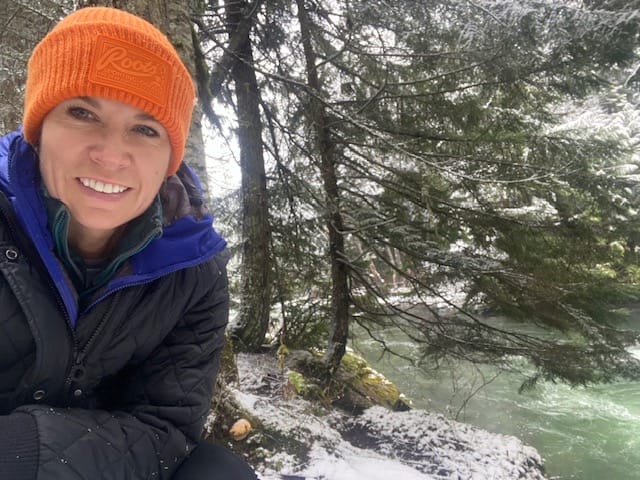
The plan was to do a quick 60-minute winter solo loop on a hike I know well to mark the first day of the Christmas holiday break. Like going to the movies alone, hiking solo has long been a treat I’ve savored. Recently, my dear friend Kelly gave me a serious talking-to about my solo wilderness adventures after I shared my up-close encounter with a massive mama black bear this past summer. Yet, like many of us, I still seem to carry that invisible “not me” vibe, and off I went into the woods alone.
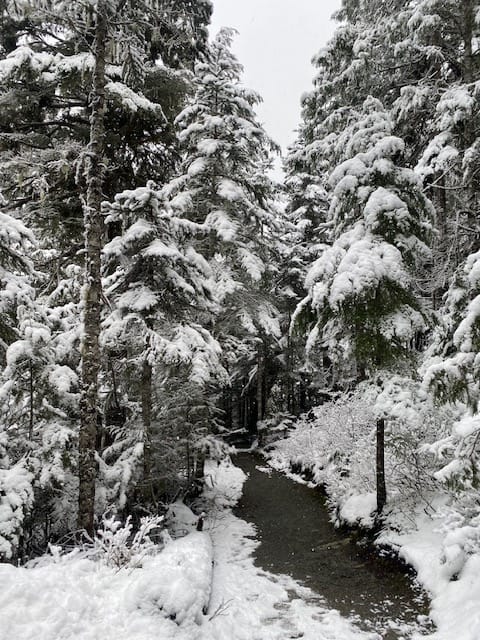
As I parked the car and texted my husband a photo of the trail marker, his last words were, “Are you sure it’s safe?” I quickly dismissed his caring reminder with a swift, “I know what I’m doing.” Like many adventure stories, it was all good, until it wasn’t. Hubris is a powerful thing, especially when you find yourself making wrong turns, discovering you have no cell service, and realizing that the landscape you know so well is now camouflaged under a blanket of fresh, falling snow.
At the risk of oversharing, this spin is my way of processing an experience that could have gone very badly. It’s also about grappling with the weight of decision-making in the work we do as educational leaders. We operate in a landscape, much like that snowy forest, often camouflaged by emotion, intensity, fractures, and disconnects, where decisions in schools are never about just one thing.
Decision-making is something educational leaders take pride in. Through our training and daily professional responsibilities, we learn how to make informed decisions, knowing that the choices we make are never to be taken lightly. We understand how to navigate complex processes to ensure we consider the multiple dimensions of each decision. This doesn’t mean the art of decision-making becomes easier, but it does mean that with every decision, we learn and improve, striving to do better next time. I also want to personally acknowledge that some decisions are harder than others. There have been many mornings when I’ve joked with colleagues debating tea or coffee, wishing them, “May this be the toughest decision of your day.” The reality is that some choices carry much more weight—especially those that intersect with core values such as inclusivity, human variation, and equity.
Early in my career, I was introduced to the ethical decision making matrix developed by the late Rushworth Kidder. His book "How Good People Make Tough Choices" was shared with me by a former superintendent as a tool to lean on when facing complex decisions. Kidder's framework is one I still mentally reference in my day-to-day work. His distinction between moral temptations, issues of right versus wrong, and ethical dilemmas is important. Ethical dilemmas arise when we must choose between right versus right, where there is no wrong answer, but one choice must prevail over another. In such dilemmas, something must give, and they are difficult for everyone involved. When we are in the throes of tough decision-making, it’s easy to feel alone and believe our ethical challenges are unique, personal, and different. Kidder’s work reminds us, however, that there are four prototypical decision-making dilemmas, making these choices complex, yet fundamentally universal.
Kidder four ethical dilemma paradigms are:
- Truth versus Loyalty: personal honesty and integrity vs. promise-keeping and obligations to others
- Individual versus Community: interests of one or few weighed against those of the more or many
- Short-Term versus Long-Term: the immediate needs of the present weighed against those for the future
- Justice versus Mercy: fair and eqal application of the rules vs. compassion for the individual
Working closely with exceptional school and district leaders, each highly skilled in decision-making, I recognize that when they reach out for advice, it’s usually because the choice at hand is complex. In fast-paced school environments, slowing down to consider the human dimensions of these decisions is never easy, but it is essential. When I get these calls from colleagues, they often begin with, “I’m sorry to bother you,” to which I always try to respond, “You never bother me, I appreciate you reaching out.” This framing reinforces that we are humans first, working together to navigate complex decisions and find thoughtful, principled paths forward.
Ethical dilemmas can carry very high stakes, or sometimes low ones, but in either case, they often create discomfort as we decide what to do. This discomfort pushes us to weigh the potential impact of our choices. Considering three key perspectives can help: (a) the end or consequences, (b) the rules or means, and (c) care or compassion. Reflecting on these dimensions can clarify the problem and guide a thoughtful course of action.
Getting lost in the woods reminded me that decision-making often feels the same: uncertain, layered, and requiring trust in both familiar markers and unexpected help.
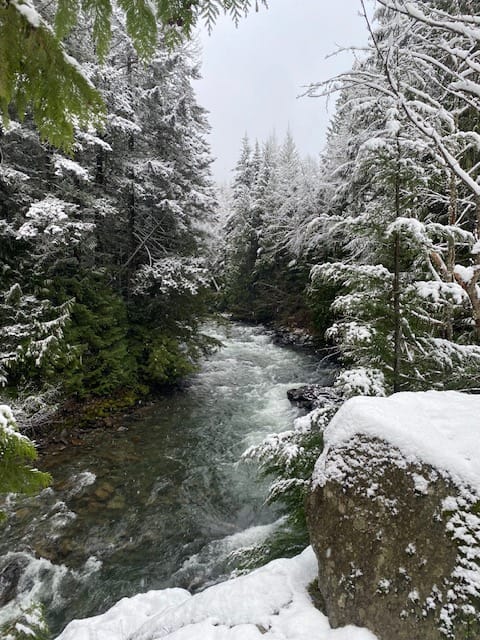
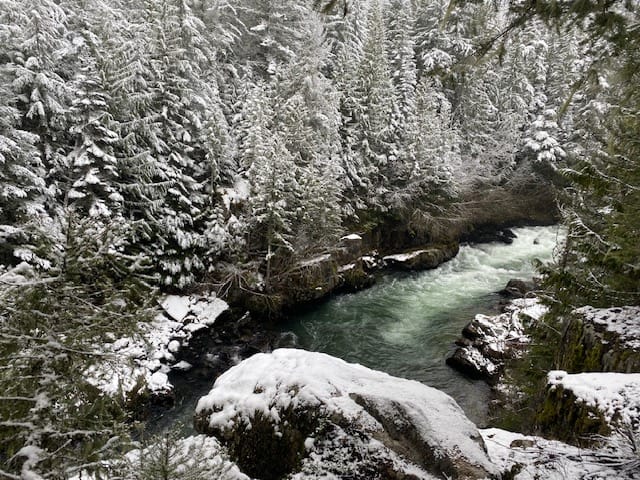
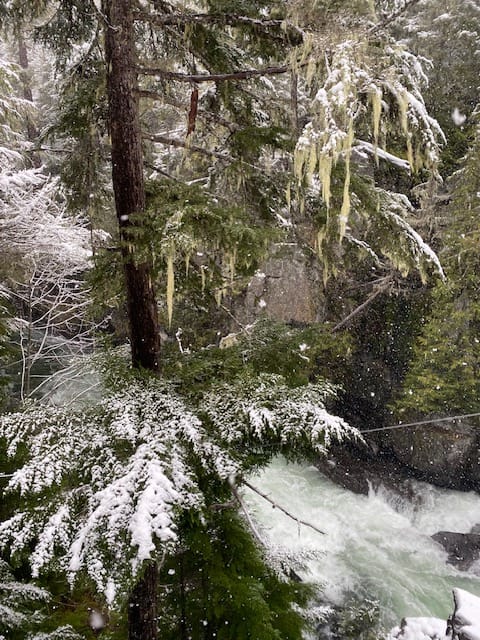
As I wandered through the forest that day, Old Dominion's lyrics, “I guess I'm making all the wrong turns tonight,” played on repeat as I searched for the path down. At times, I realized I was climbing instead of descending, so I would stop, reset, and look for markers, my footsteps in the blanket of snow and the fast-moving river, to guide me. My thoughts drifted to the fall and the work that had consumed my heart, mind, and soul. Lost in reflection, I became more lost in the forest and likely would have kept walking in uphill circles until I met a kind fellow hiker. Thankfully, it wasn’t a serial killer moment; I admitted to this stranger that I had lost my way. We chatted, and he said I had actually found the trail again. I laughed and he asked "Why did you doubt yourself?" In that moment, I realized how much human connection and affirmation can help us get back on track. An hour and a half later, I was out of the woods, slightly embarrassed, really thirsty and deeply grateful.
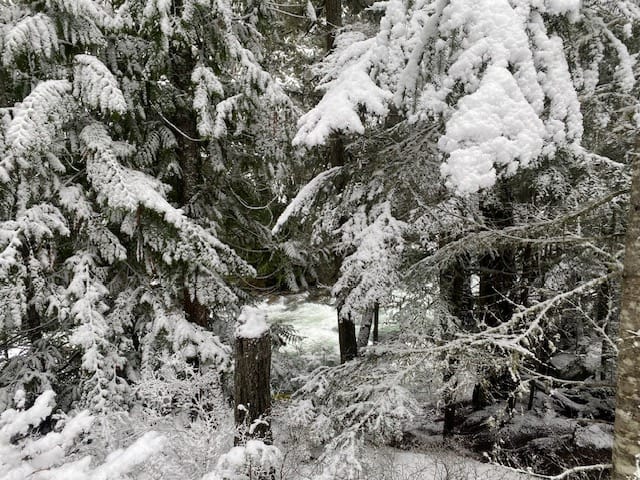
Sometimes the decisions we make are hard. Sometimes we don't get them right. and sometimes it's impossible to get them right for everyone. But with awareness, and the grace of each new day, we can try again. Getting a little lost, can help you find your way, and for me the walkaways were clear; less hubris, more caution and a renewed sense of humility. Decision-making, like navigating a winter forest isn't about never taking a wrong turn, it's about pausing, reassessing and finding the markers that guide us back to what matters most.

Author's Note: Why do I post? I have had a few people of late ask me why I am writing and why my timing might not be ideal for building a larger reader base. While in most of my post spin subscripts, I acknowledge using AI to help with editing (and yes, thank you CoPilot), this author's note is different. I want to be clear, I write with the intention of sharing ideas, reflections, and considerations to strengthen the profession I'm committed to. That's it, simple and straight forward. I hope these thoughts resonate, and if they don't, that's okay too.