

How do we carry inspiration into action in a landscape where finances are tight and educational priorities shift along a sliding scale of urgency?
This spin is intended to keep early learning at the centre of the educational agenda, to ground our thinking in where learning begins and to consider how school districts can continue to set priorities that are proactive, thoughtful, and enduring. Supporting families in the early years is an investment in K–12 public education, one that will pay dividends over time.
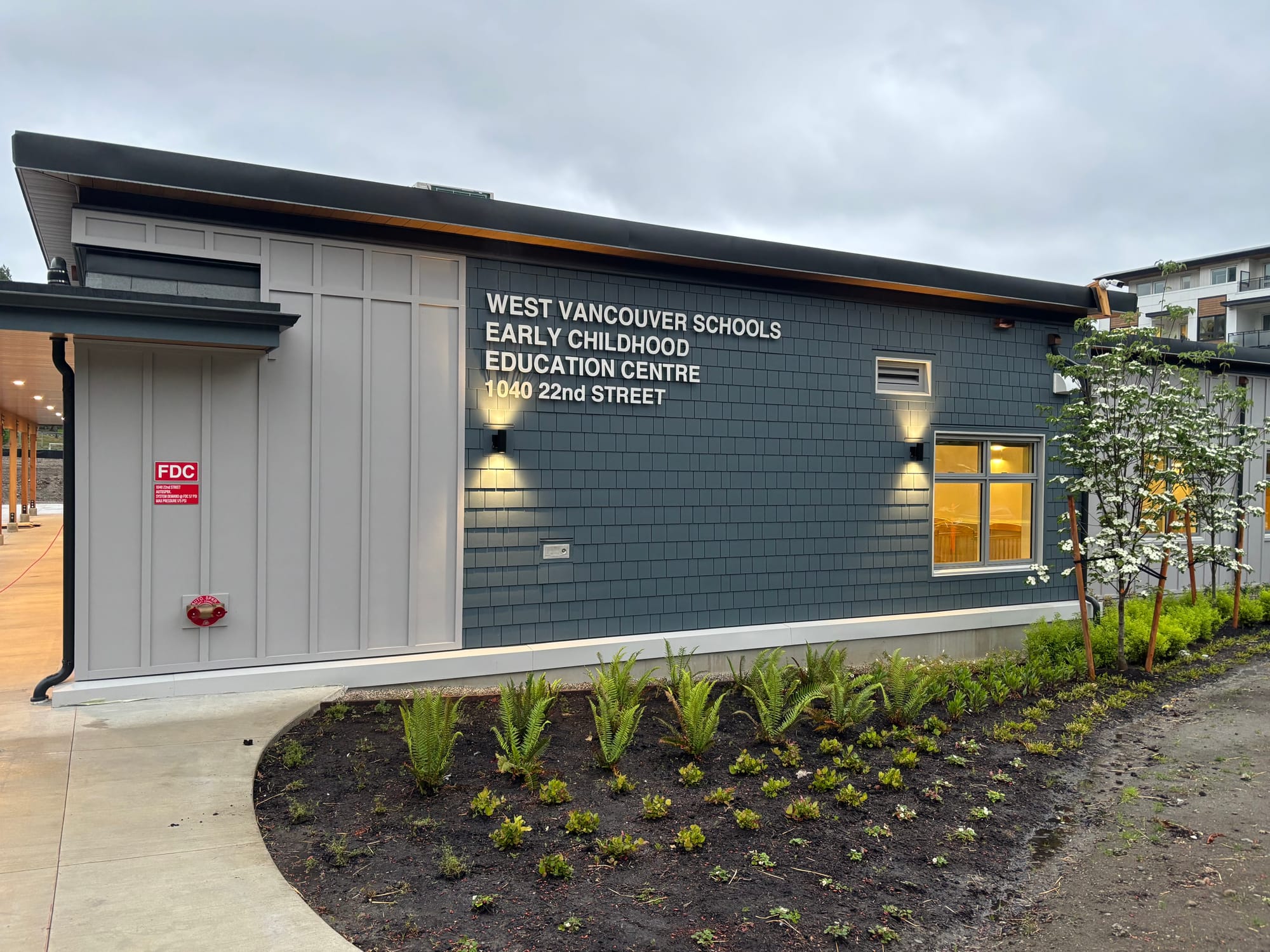
This past month was a historic one for our school district. We opened our purpose-built, brand new early childhood education centre in partnership with Twig+Owl Community Collection, PJ Kids Club, and our local Child Care Resource & Referral (CCRR). We welcomed our youngest learners and their families to the West Vancouver Early Childhood Education Centre, including the opening of two infant-toddler rooms and one 3-5 year old room. Our endeavour was on time, on budget and on schedule, a feat in itself in both construction and educational circles.
In the spirit of documentation, this spin is a short photo story highlighting the weeks leading up to, and following, our June 1, 2026 opening. While my intent is to celebrate, it is also important to be realistic, to ensure we attend to the possibilities and necessities involved in integrating child care into schools.
We believe this project is replicable, and that our learning can help shape what is possible as we continue to integrate child care into the Canadian K–12 system. At the same time, I would be remiss not to highlight the considerations that must be further explored when undertaking work of this scope.
A persistent fallacy shaping political agendas is the assumption that public education has the fiscal capacity to absorb child care integration without new investment. Layering child care into school district early learning portfolios without dedicated funding is not sustainable. While school districts act with strong intentions, the reality is that resources are finite and in-kind professional services are not unlimited. K–12 operational funding is both protected and carefully allocated to support students within the existing system. Assuming additional capacity can be absorbed without dedicated resources does not fully reflect the fiscal parameters within which districts operate.
We are very proud of what we have accomplished, and we believe the model we are building can create a new pathway forward in the integration of child care and education. At the same time, it is important to be clear about what is at stake. Without the dedicated funding from the ChildCareBC New Spaces Fund, this work would not have taken the shape it has.
You cannot replicate this process through one-off grants or pilot funding cycles. Sustained, dedicated investment is essential. This work must be embedded within the K–12 system, not as a “nice to have,” but as a necessity to ensure continuity of learning across all stages of growth and development. Our youngest learners are worth it.
High-quality early childhood education and family supports form the root system of a successful journey for all learners. School districts do not have an innate capacity to continually expand, but we do hold important levers for system coherence and educational excellence.
With that context in mind, these photos share a small part of our story in these early days. They capture the lead-up to opening day and offer a window into the complexity, collaboration, and intention required to make system integration possible.
Grounded in intention, supported by dedicated time, and resourced appropriately, this work creates meaningful pathways for our youngest learners and families to connect into the K–12 system in ways that are thoughtful, equitable, and inclusive.
These early moments reflect what is possible when intention, partnership, and investment come together. I invite you to see this work come to life in the images that follow.
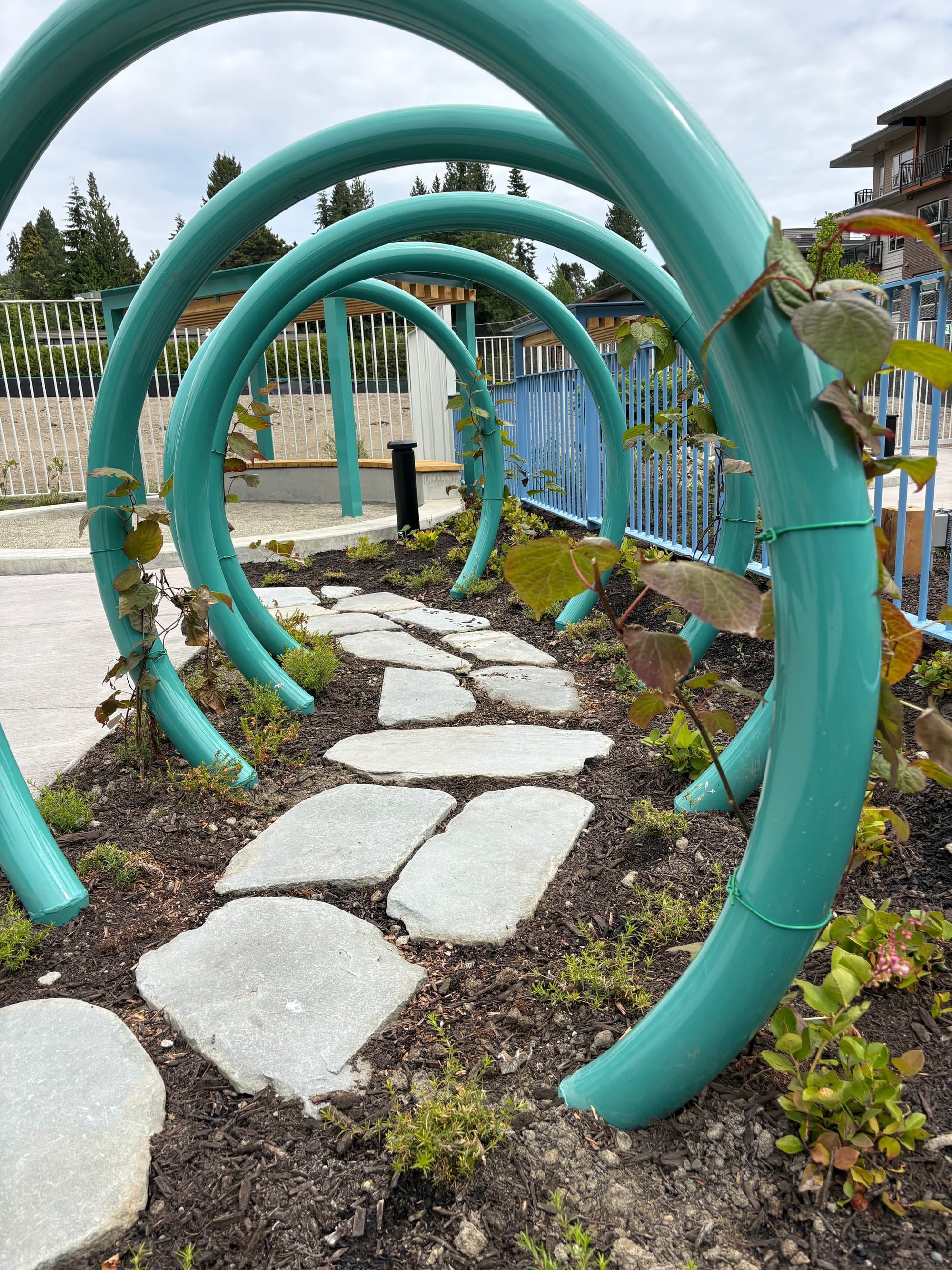
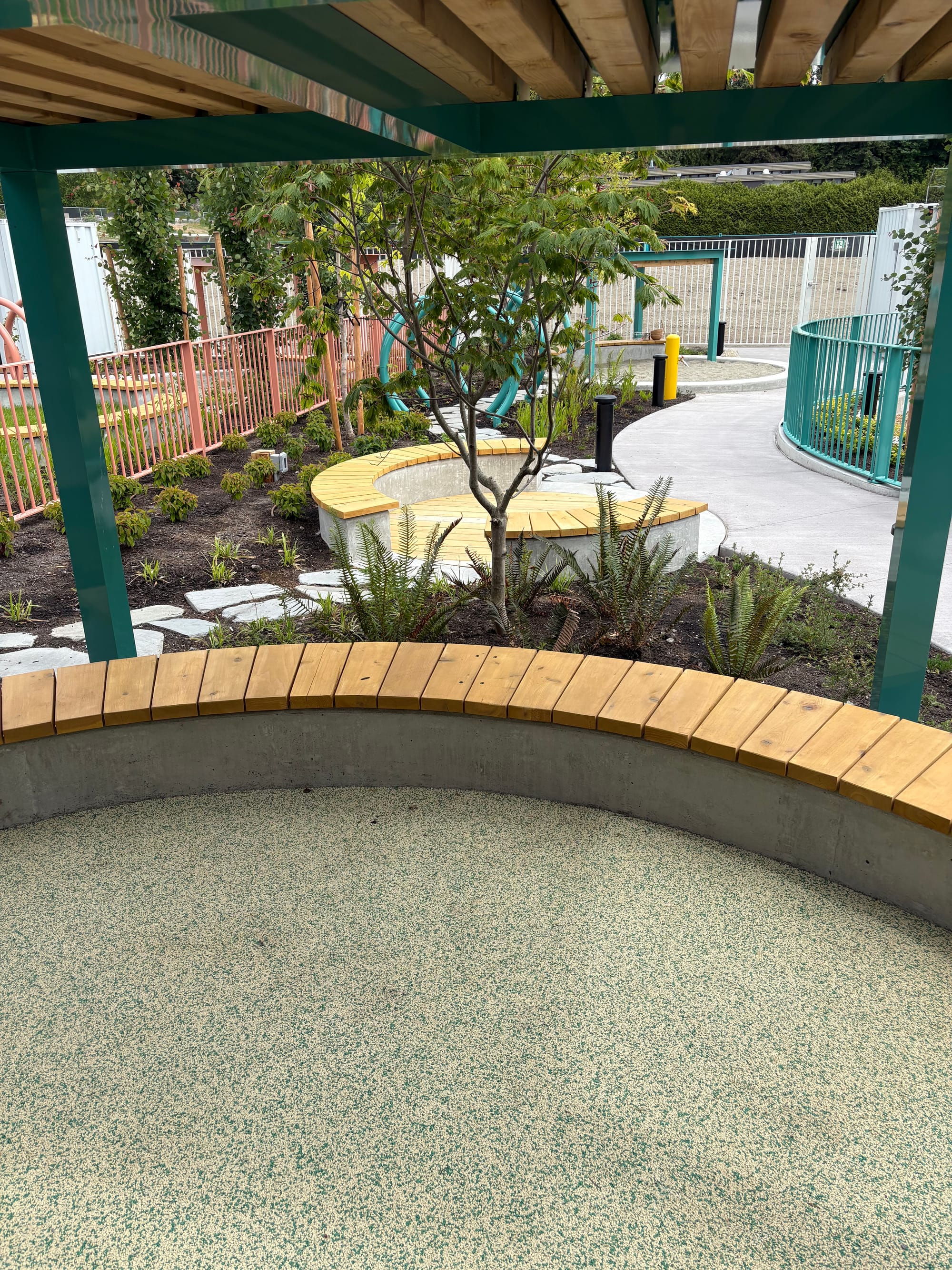
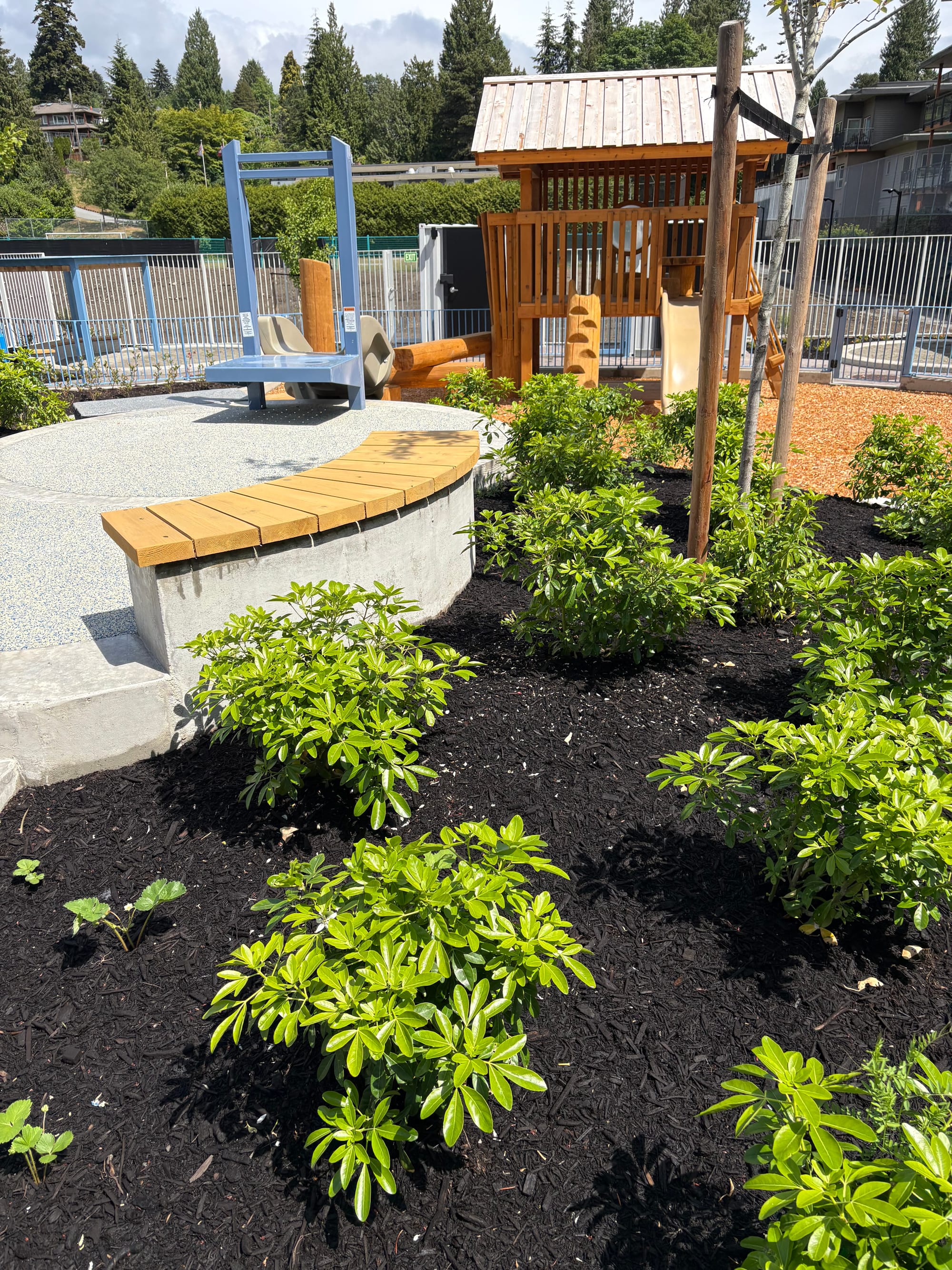
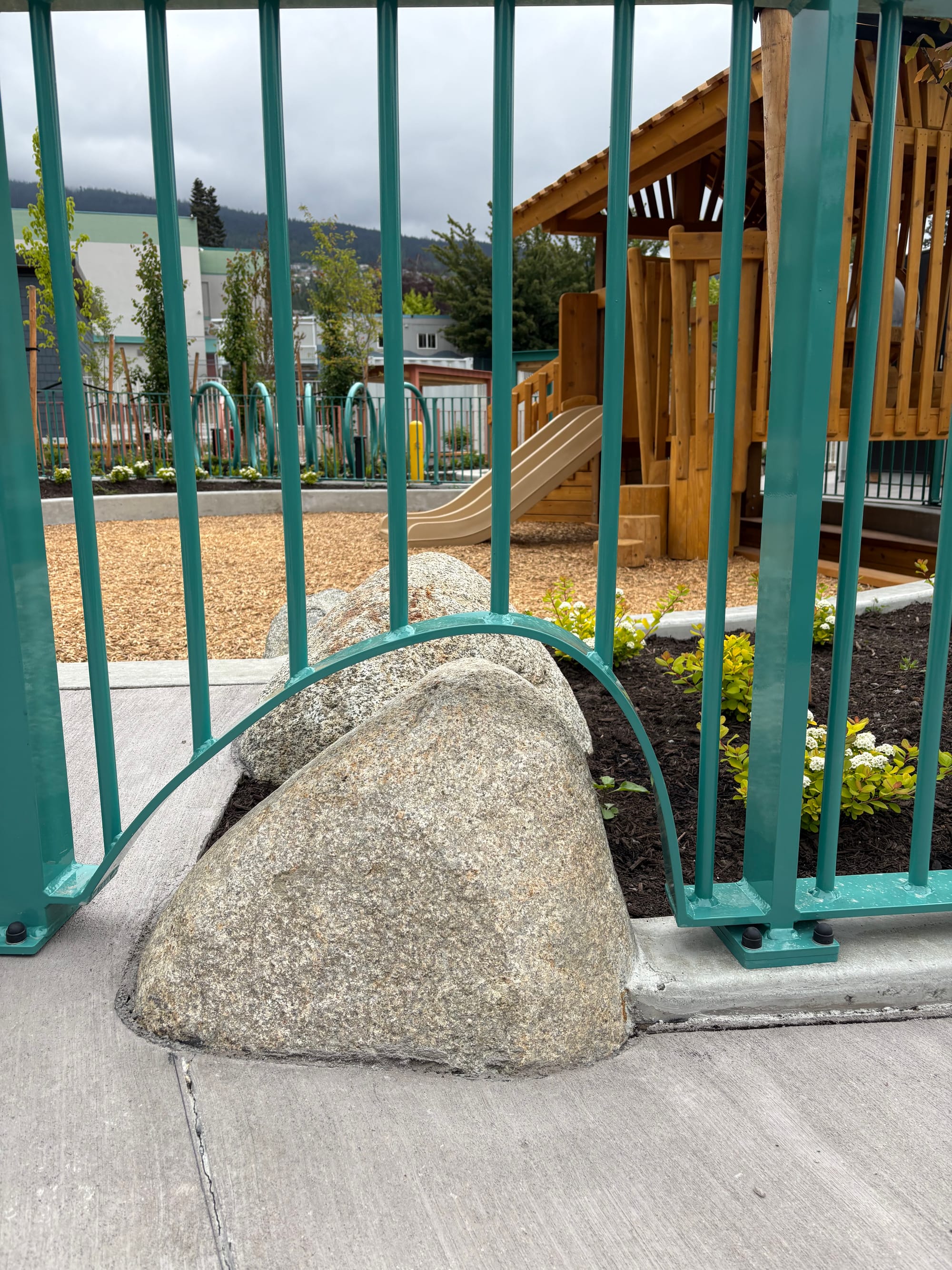
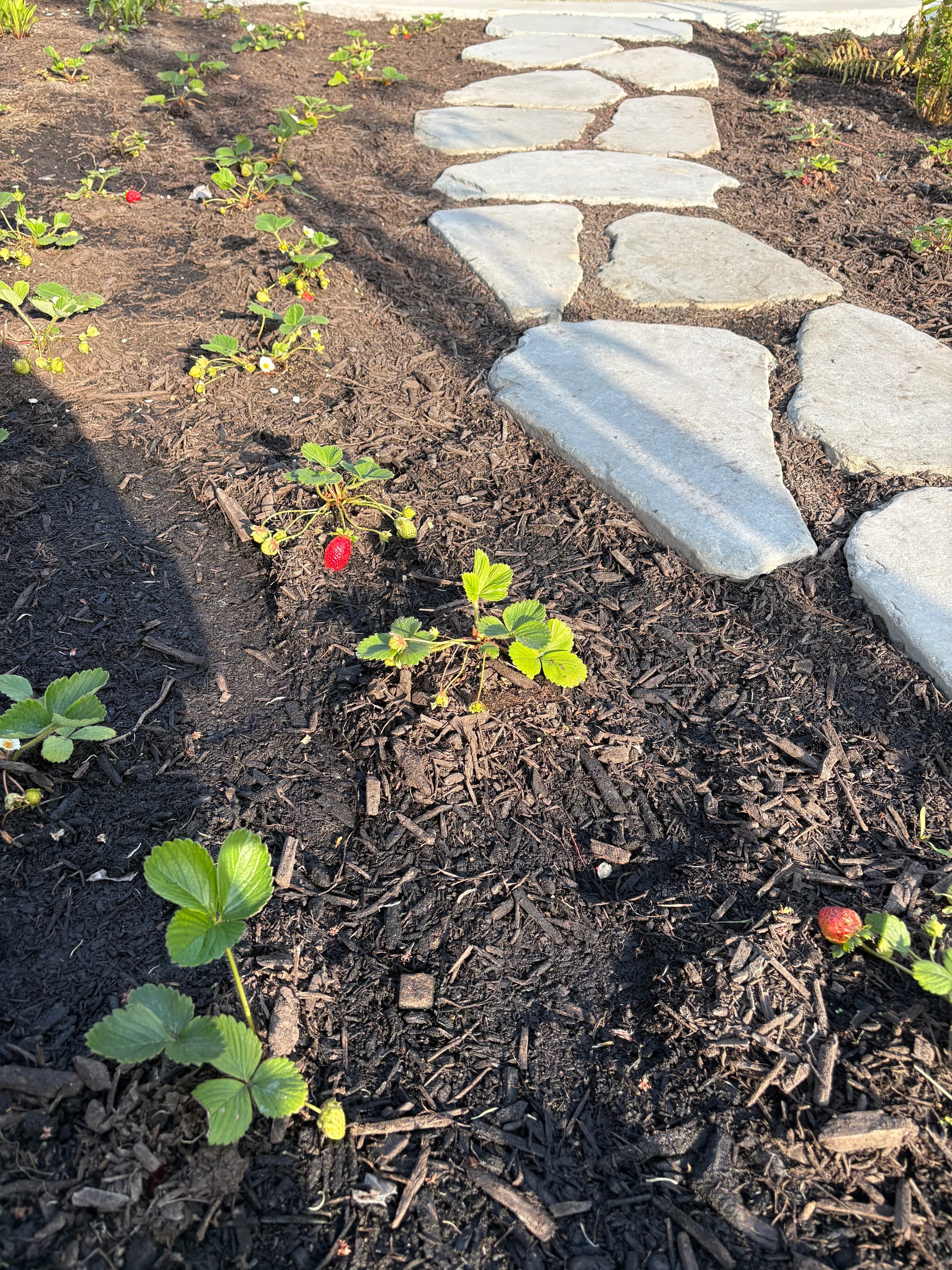
First, it is important to acknowledge that keeping systems separate as a protective factor can become a barrier, much like separating indoors from outdoors. If we are to truly integrate systems, we need to align environments and create intentional pathways, where softer shapes and dedicated structures support school districts in balancing both vision and fiscal realities. As we move inside, this same thinking applies: practitioners from school districts must be part of the design process, offering insight to inform broader planning and design decisions as we work toward greater alignment.
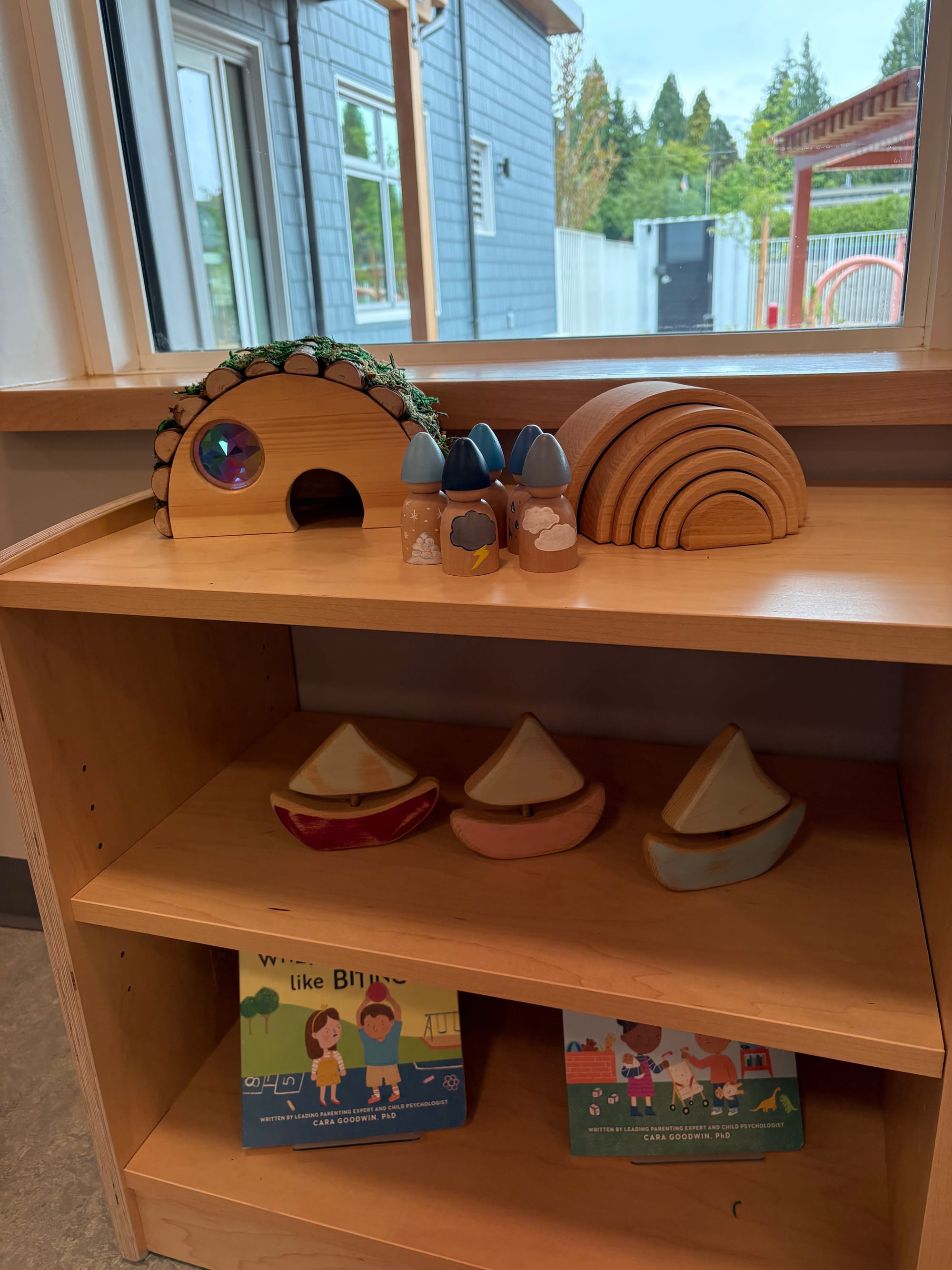
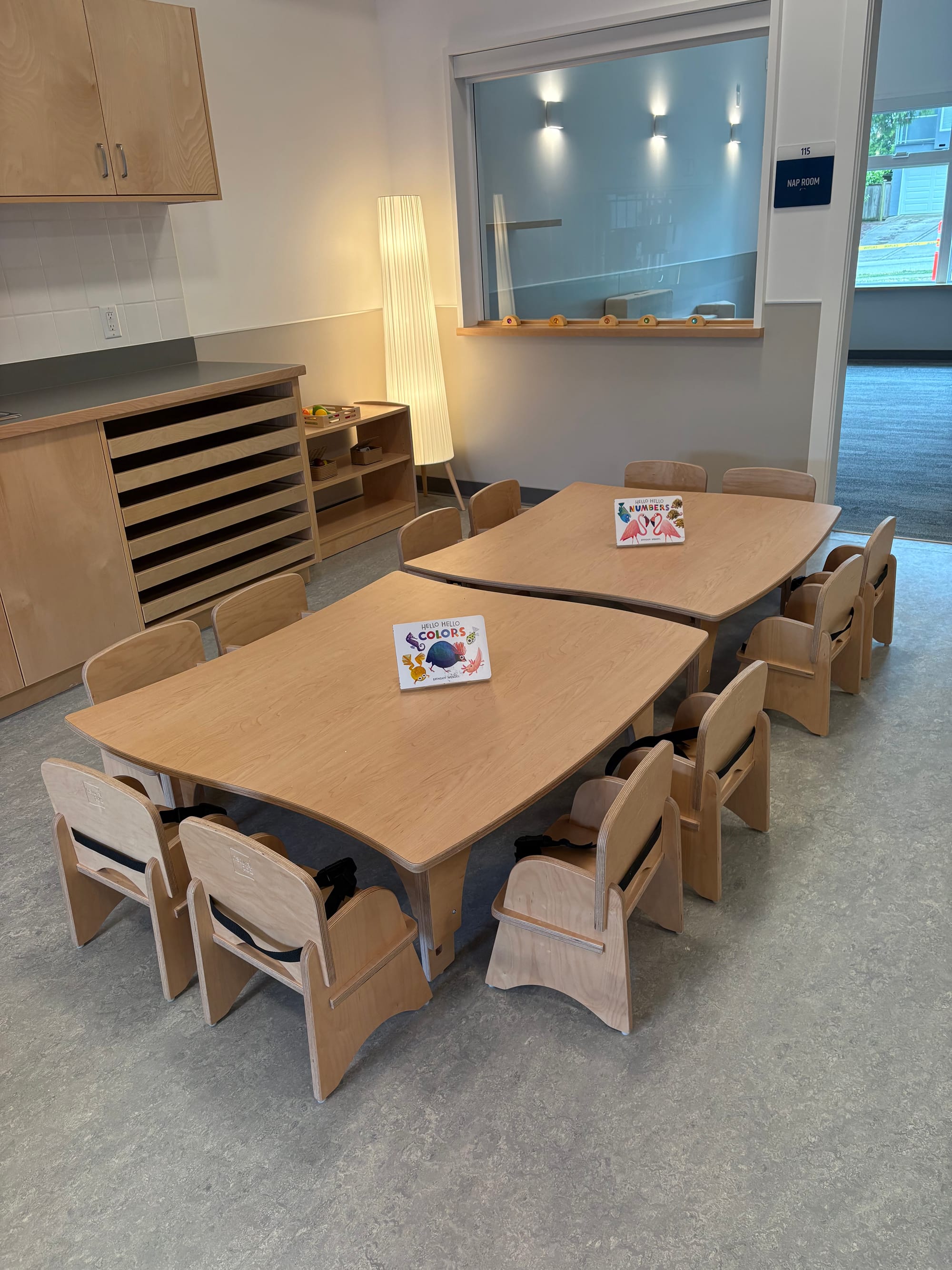
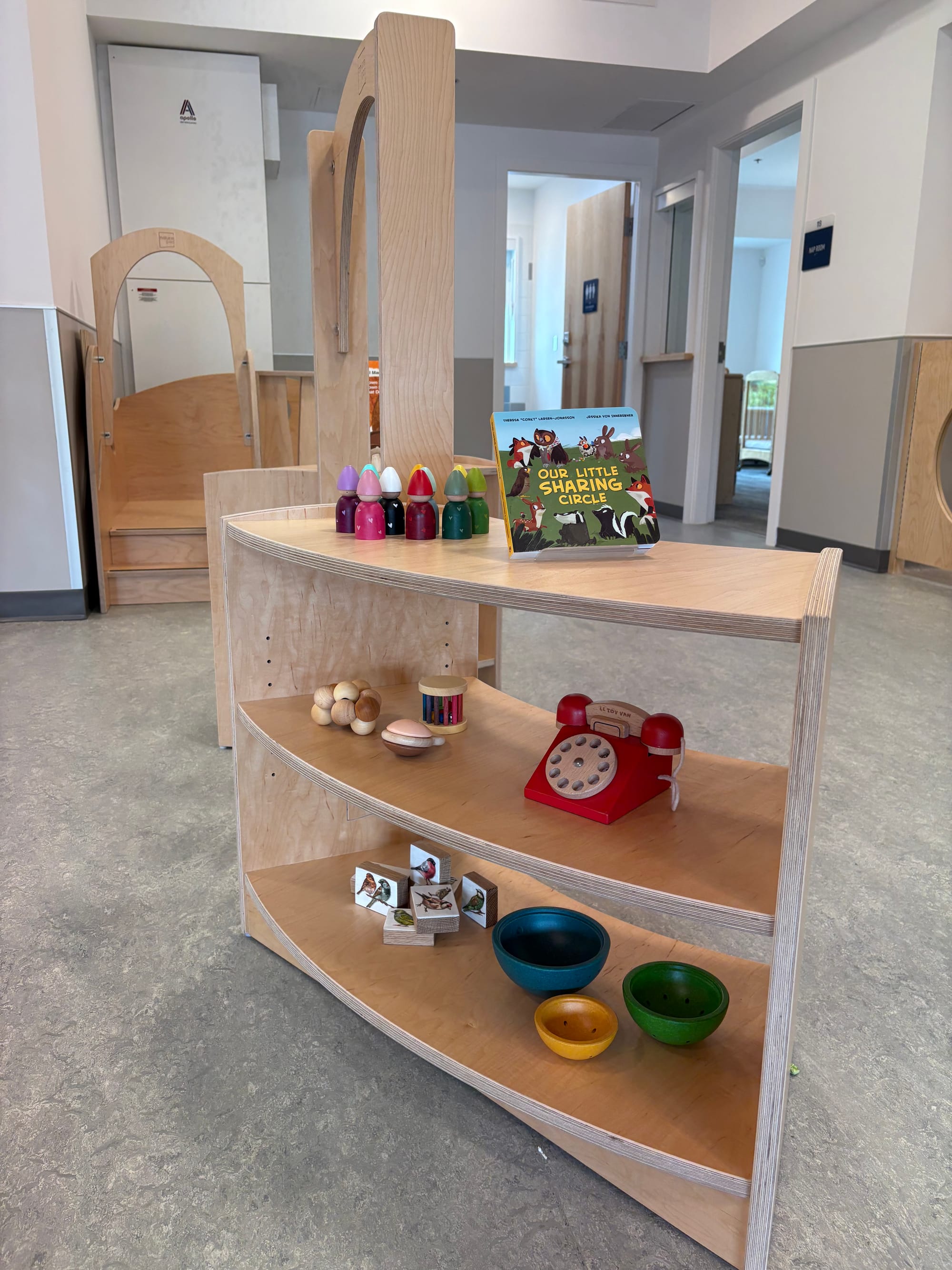
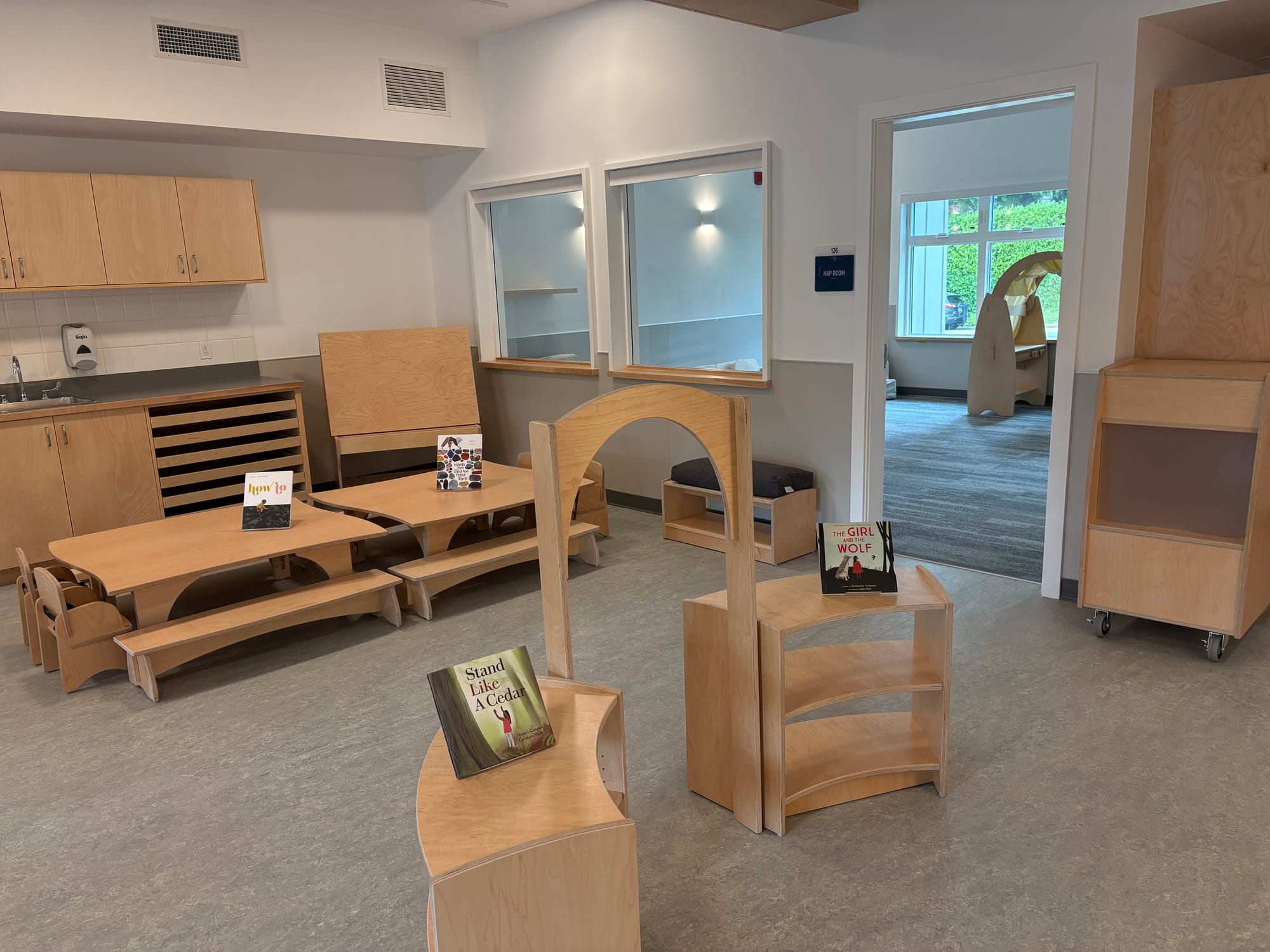
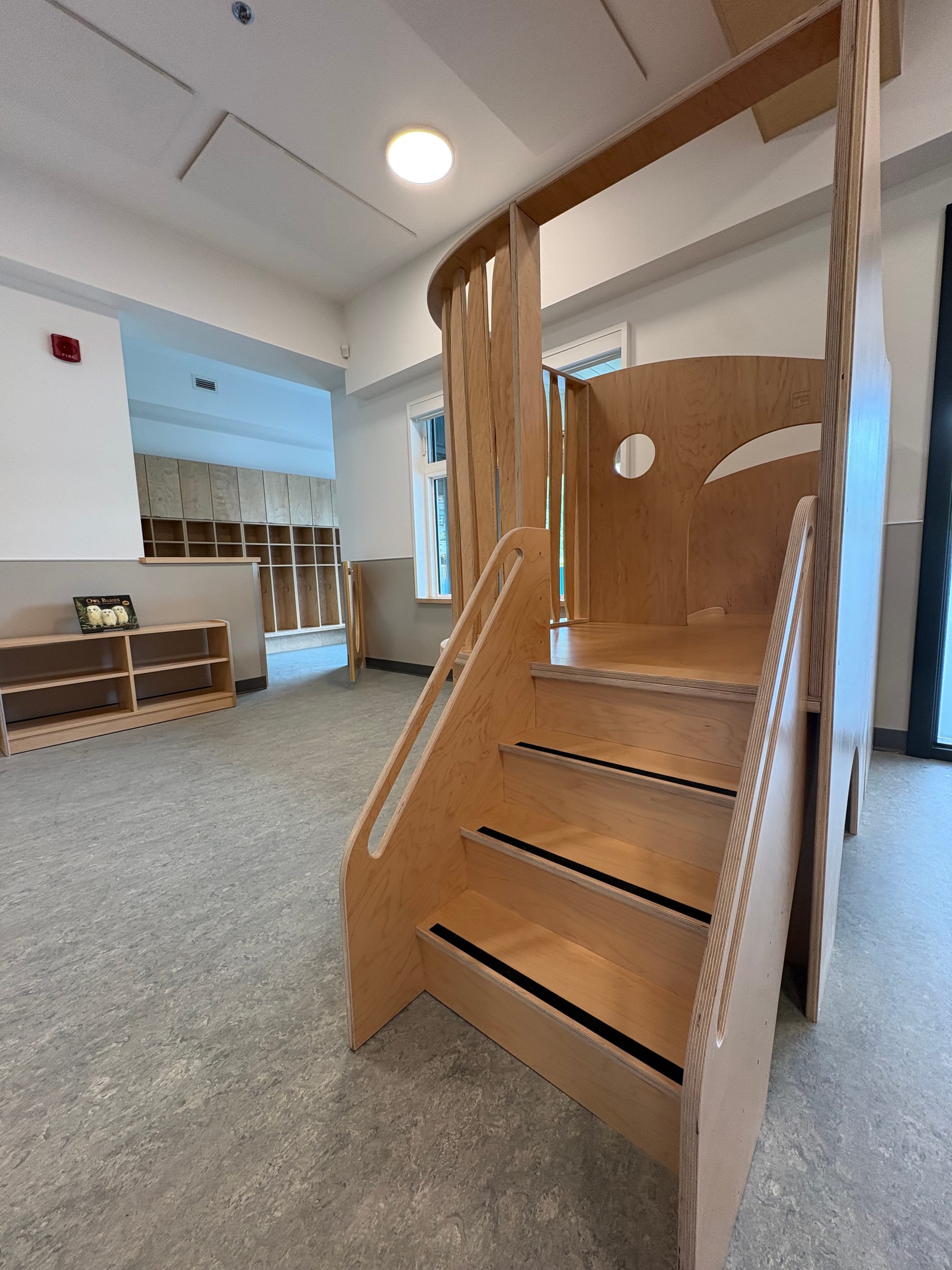
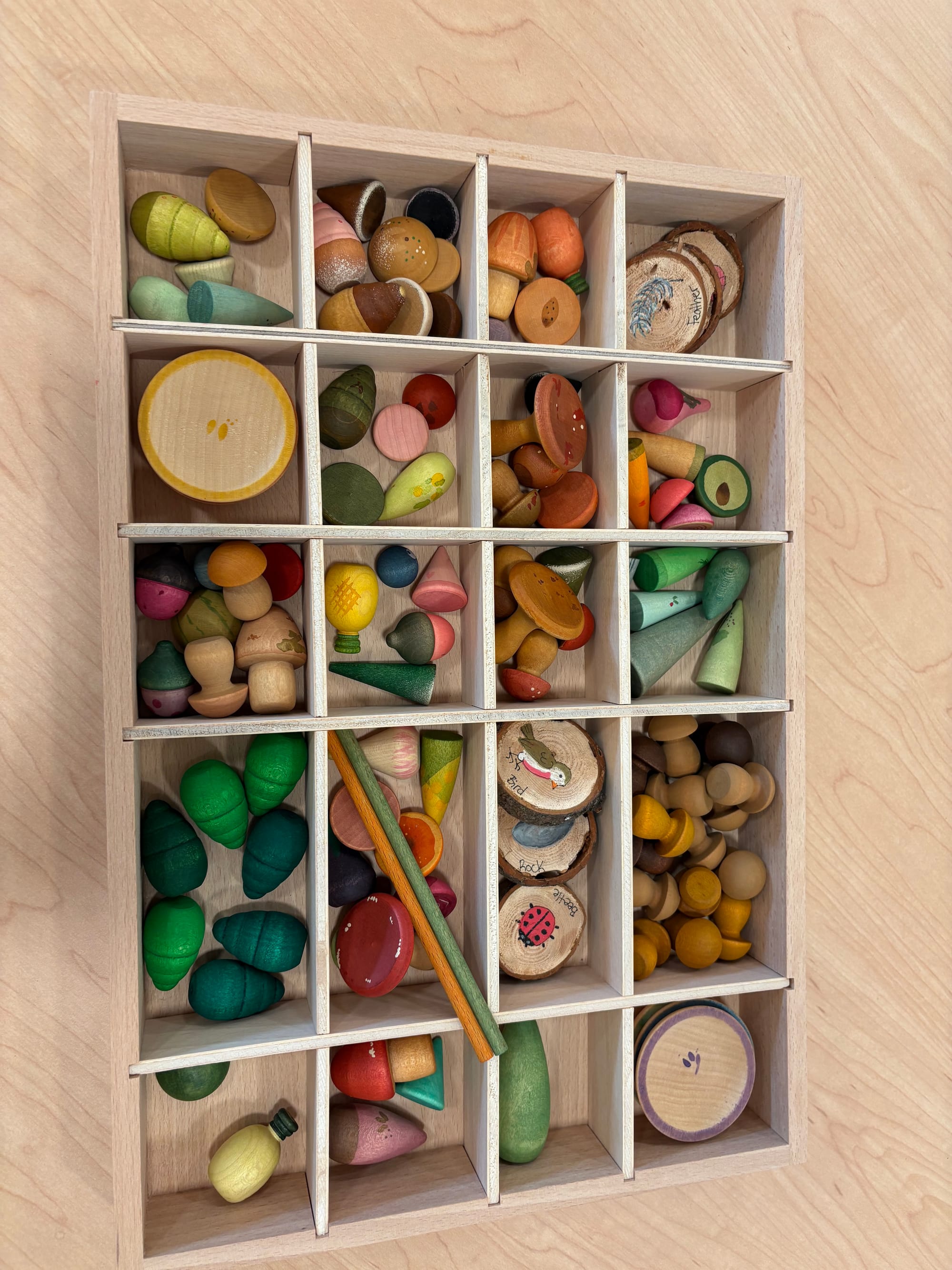
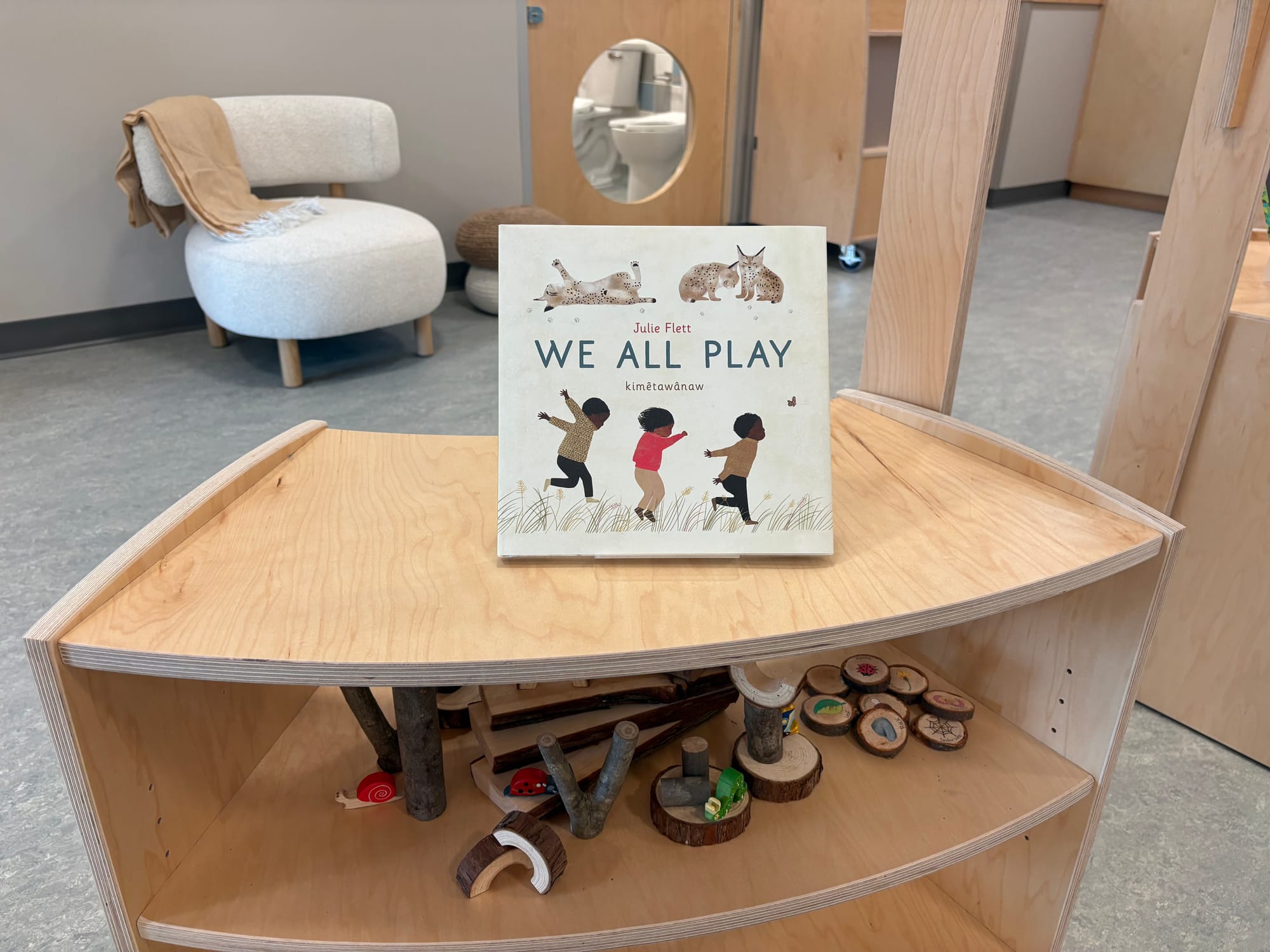
Ready for our youngest students with Twig & Owl Community Collective and Natural Pod designs, June 2026
While every building project brings a list of should-haves, would-haves, and could-haves, it is important to recognize that there must also be clear non-negotiables. Establishing a professional and experienced design team is essential to ensure that decisions reflect educational values and best practices, encompassing both pedagogy and environmental sustainability over time.
Design teams need to include those who understand the business of public education, the pedagogy of early childhood education, and the principles of effective building and architectural design. It is important to note that we could not have achieved the level of quality in our build without the expertise, guidance and collaboration of Iredale Architecture, Nuqo Modular, and Groundswell Landscape Architecture.
After nearly thirty years in public education, I can attest to the reality that quick, one-size-fits-all designs rarely endure; when they fall short, the remnants are often problematic, leaving behind spaces that are visually busy, inconsistently designed, or reliant on short-term, “cheap but cheerful” solutions that do not age well.
Having a team that truly falls in love with your project is critical; there must be a shared commitment to creating something of lasting value for children and families. I often refer to this as the “forever build factor,” and I will always stand by the inertia of making timeless, thoughtful decisions that won’t easily fade with changing trends.
At the same time, when a project belongs to a school district, the district must remain at the centre of decision-making, with final say in both preferences and details. The story should reflect learning, collaboration, and partnership, alongside a strong sense of pride and respect for the choices made.
There is no perfect science in this work, but it is critical that, after the build, conversations focus on looking forward, problem-solving where needed and sharing learning collaboratively to strengthen future school district building experiences across the K-12 system.
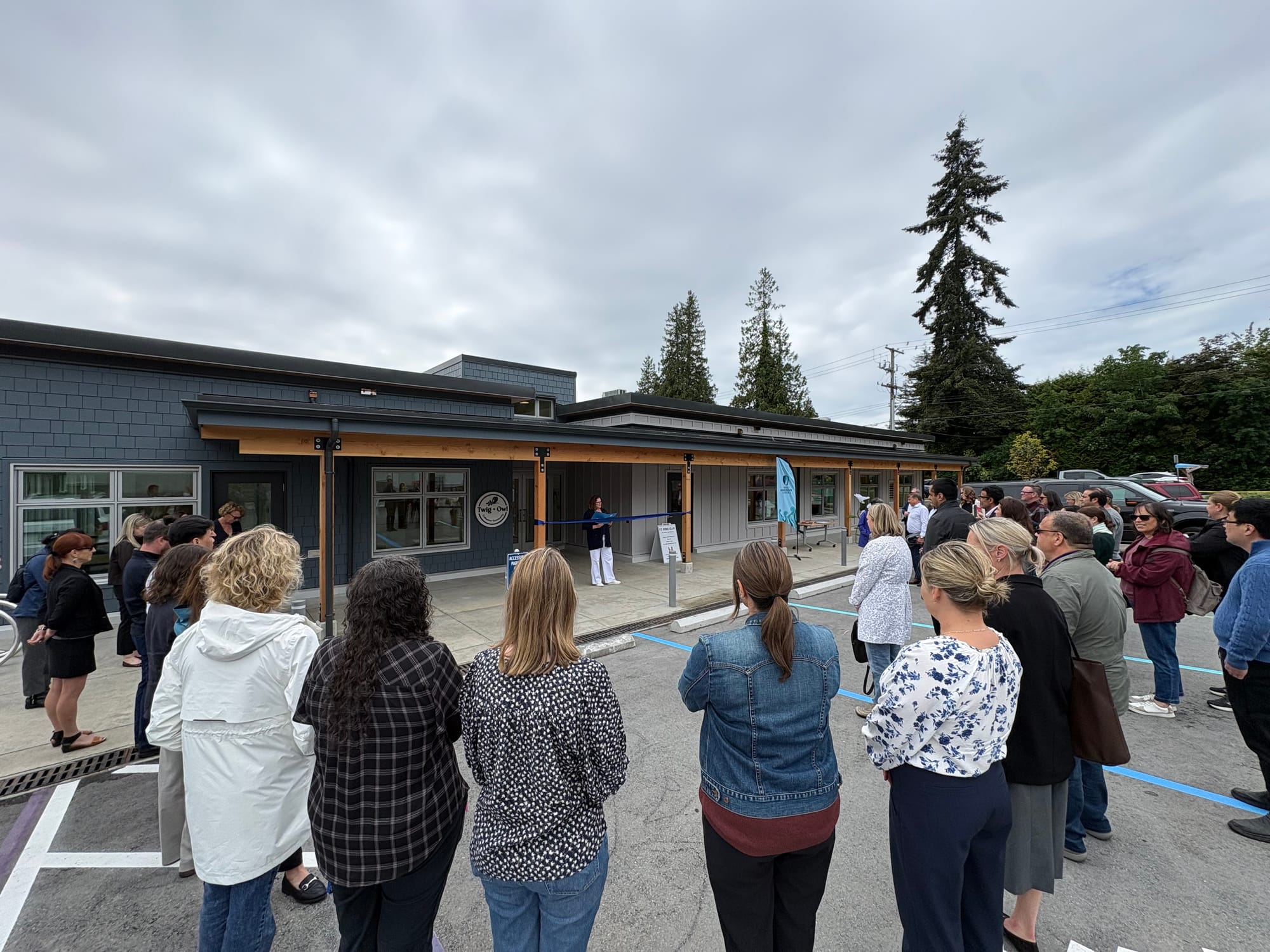
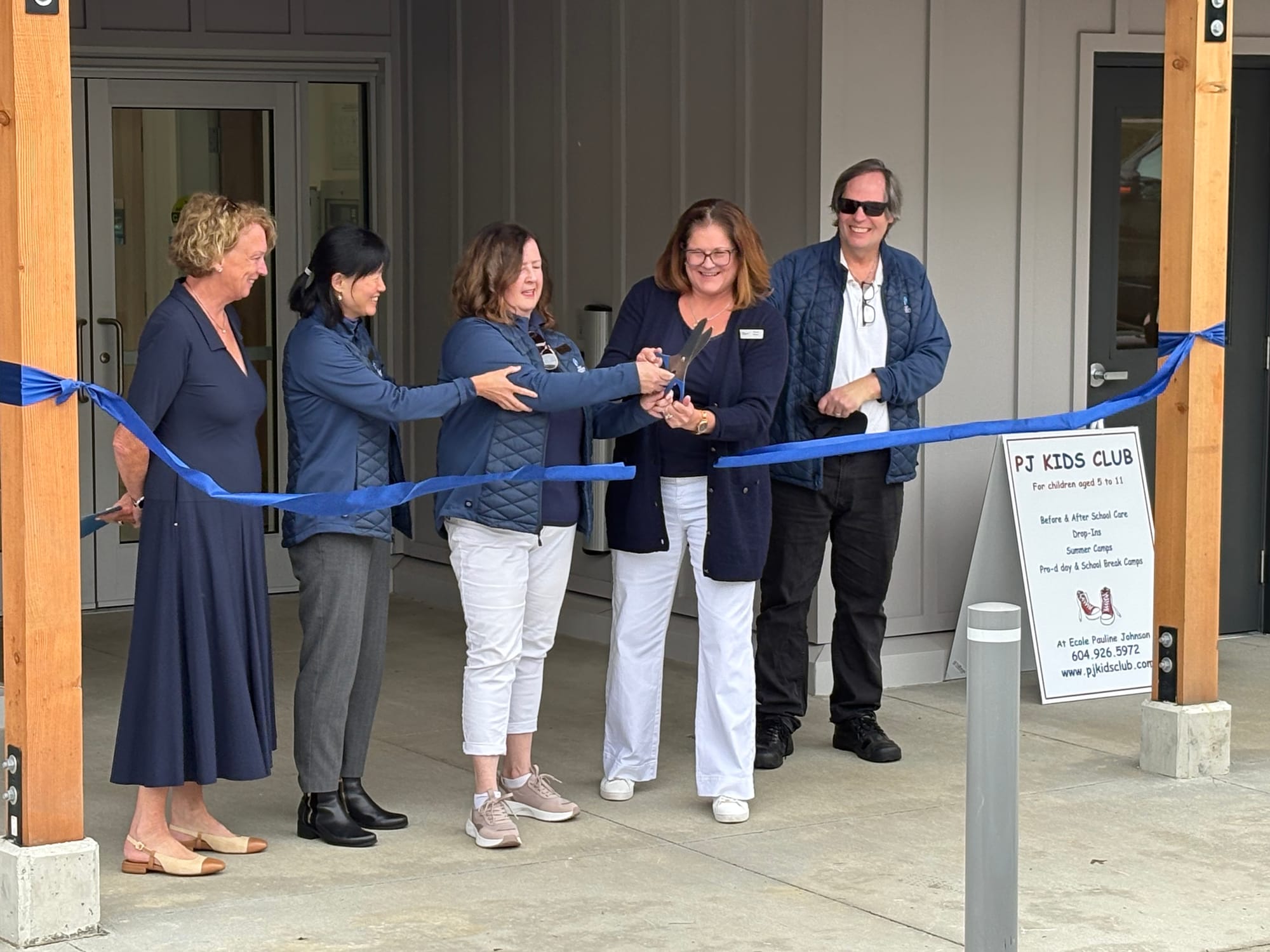
Grand Opening, West Vancouver Early Childhood Education Centre, May 2026
The collaborative model for integrating child care into the K–12 system is one that deserves dedicated time and deeper consideration. Building a meaningful partnership goes beyond signing rental contracts or outsourcing care to third-party operators.
Caring deeply about who is entrusted with our youngest learners is a system necessity, as strong early learning experiences lead directly to stronger K–12 foundations. Taking the time to move through RFQ and RFP processes with a comprehensive team, including educators, finance and facilities staff, helps ensure that important perspectives are anchored in the decision-making process. Creating thoughtful partnership agreements, alongside leasing considerations that support each other’s priorities and realities, is critical. Committing to authentic collaboration and educational excellence for our youngest learners requires deep relational investment, along with a willingness to share resources, knowledge, and time.
This work cannot be approached as a rental or contractor relationship; it must be a true partnership, grounded in authenticity and aligned values, with the support structures in place to ensure its success.
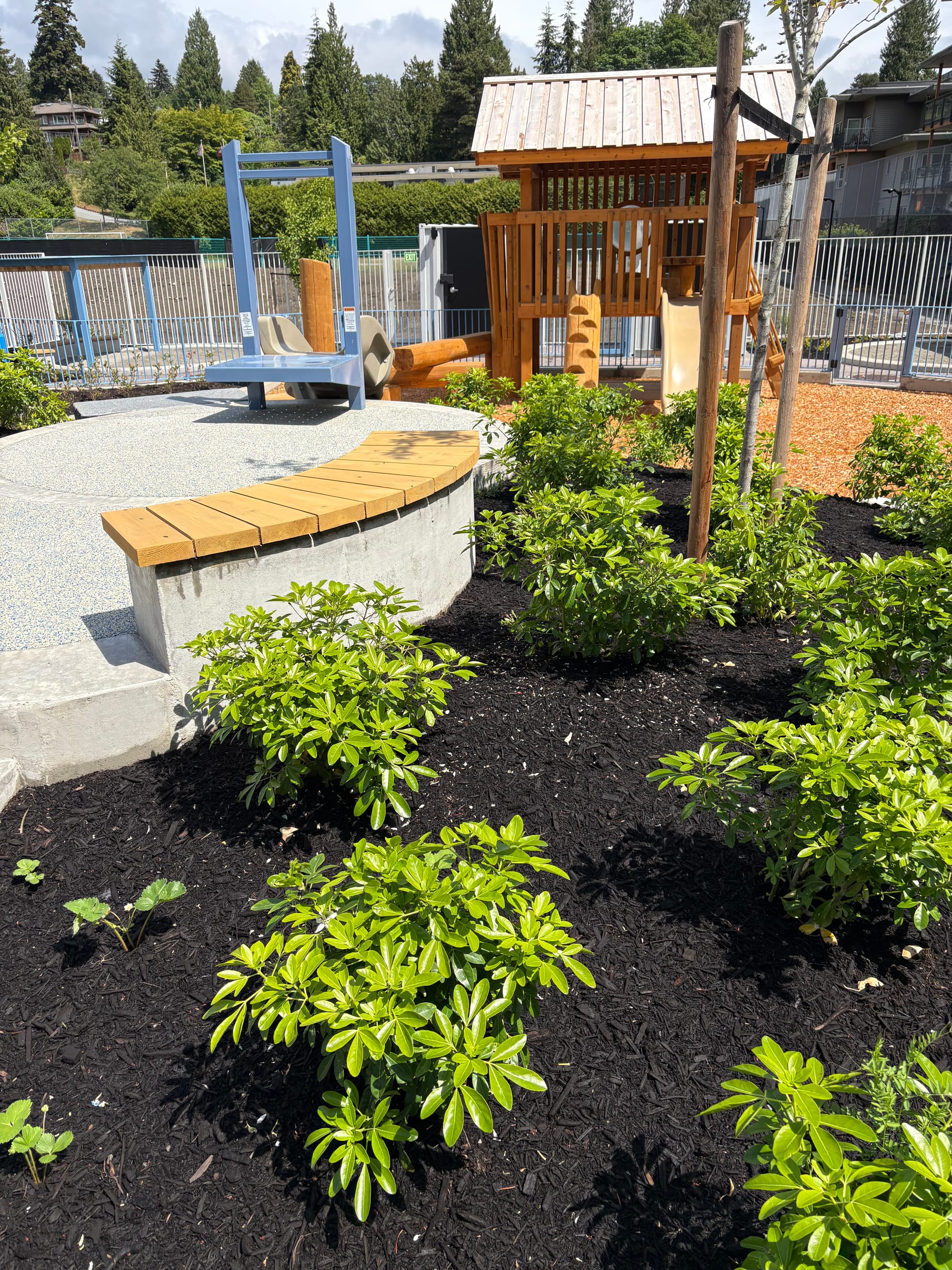
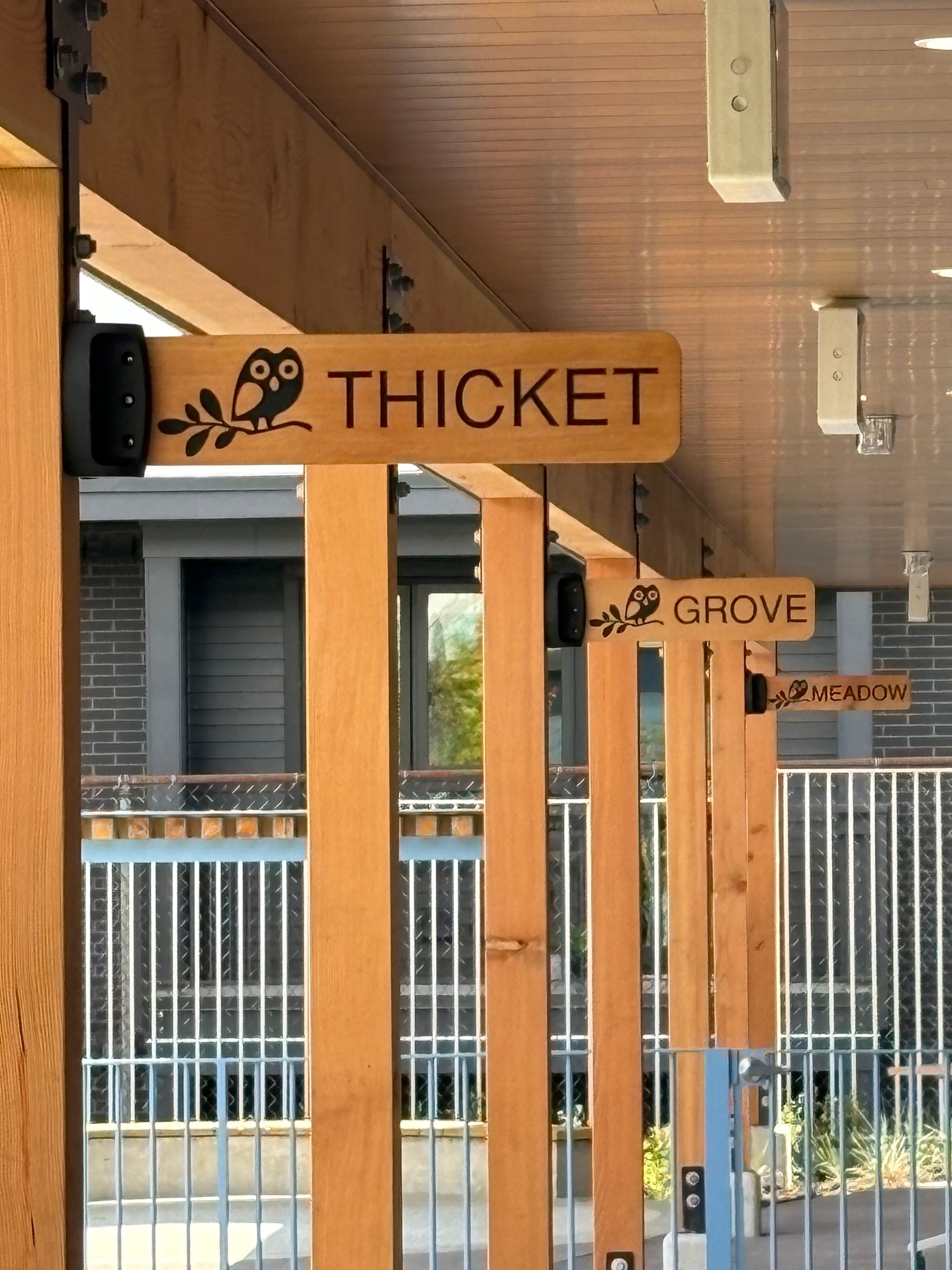
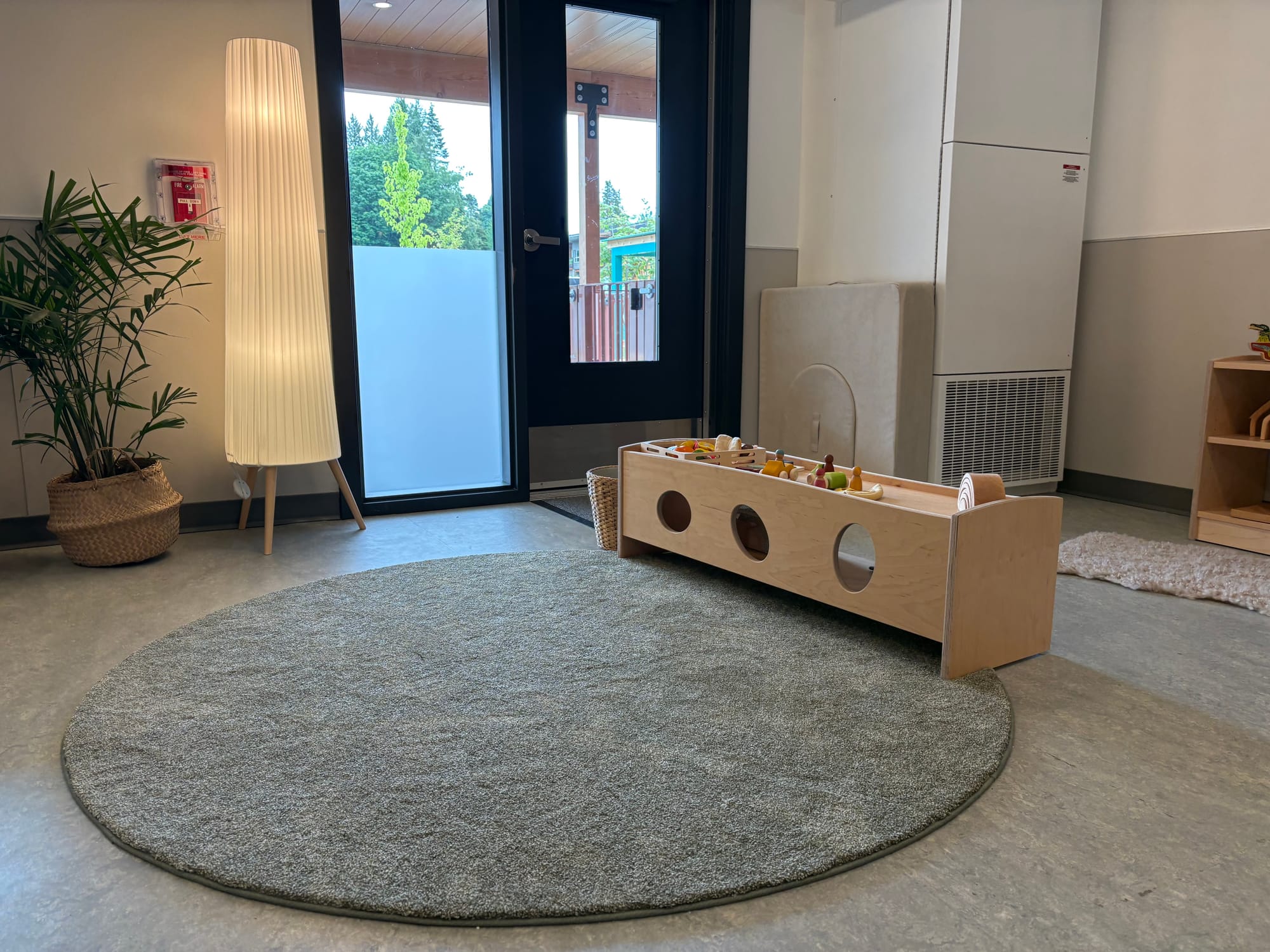
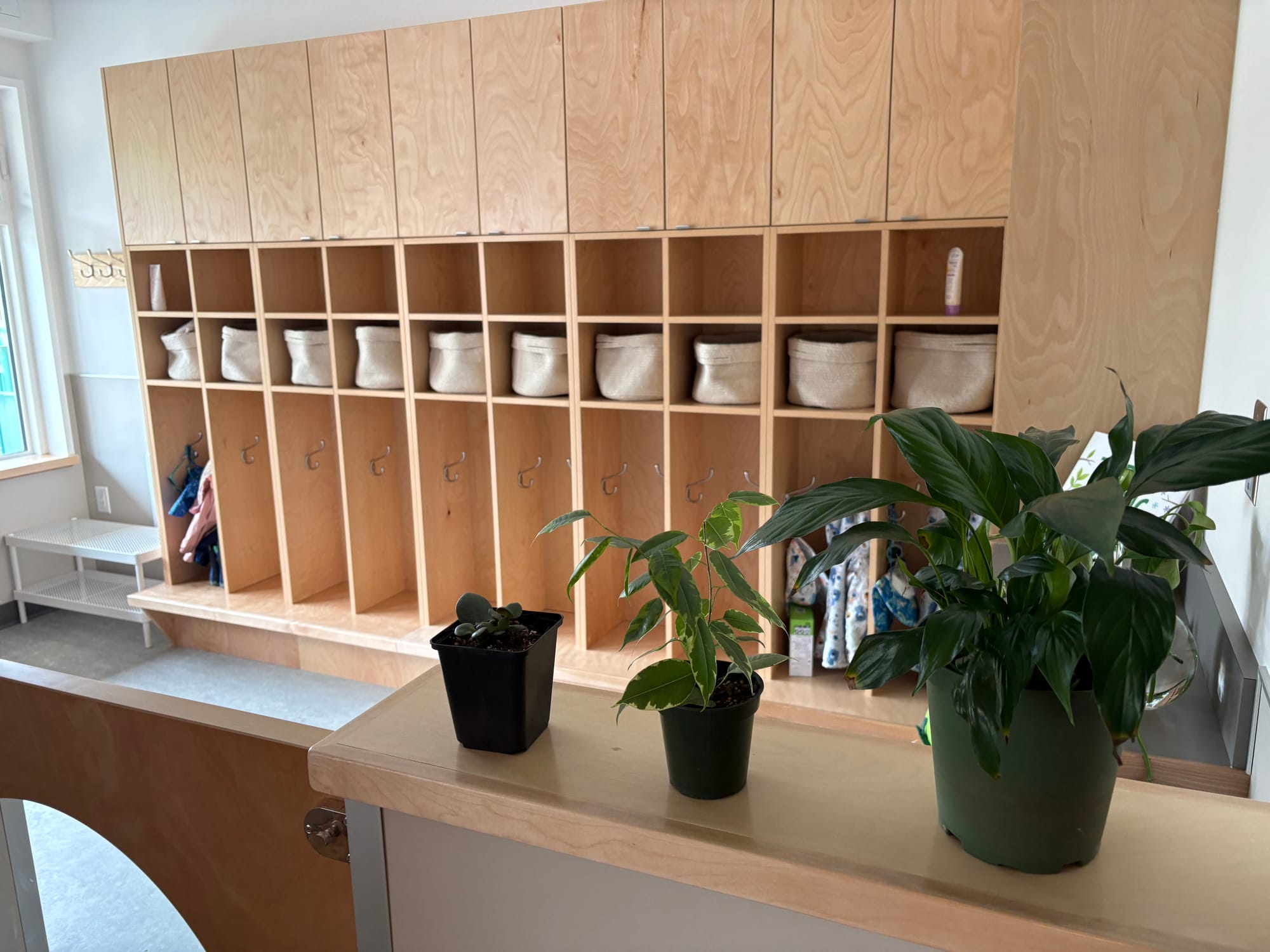
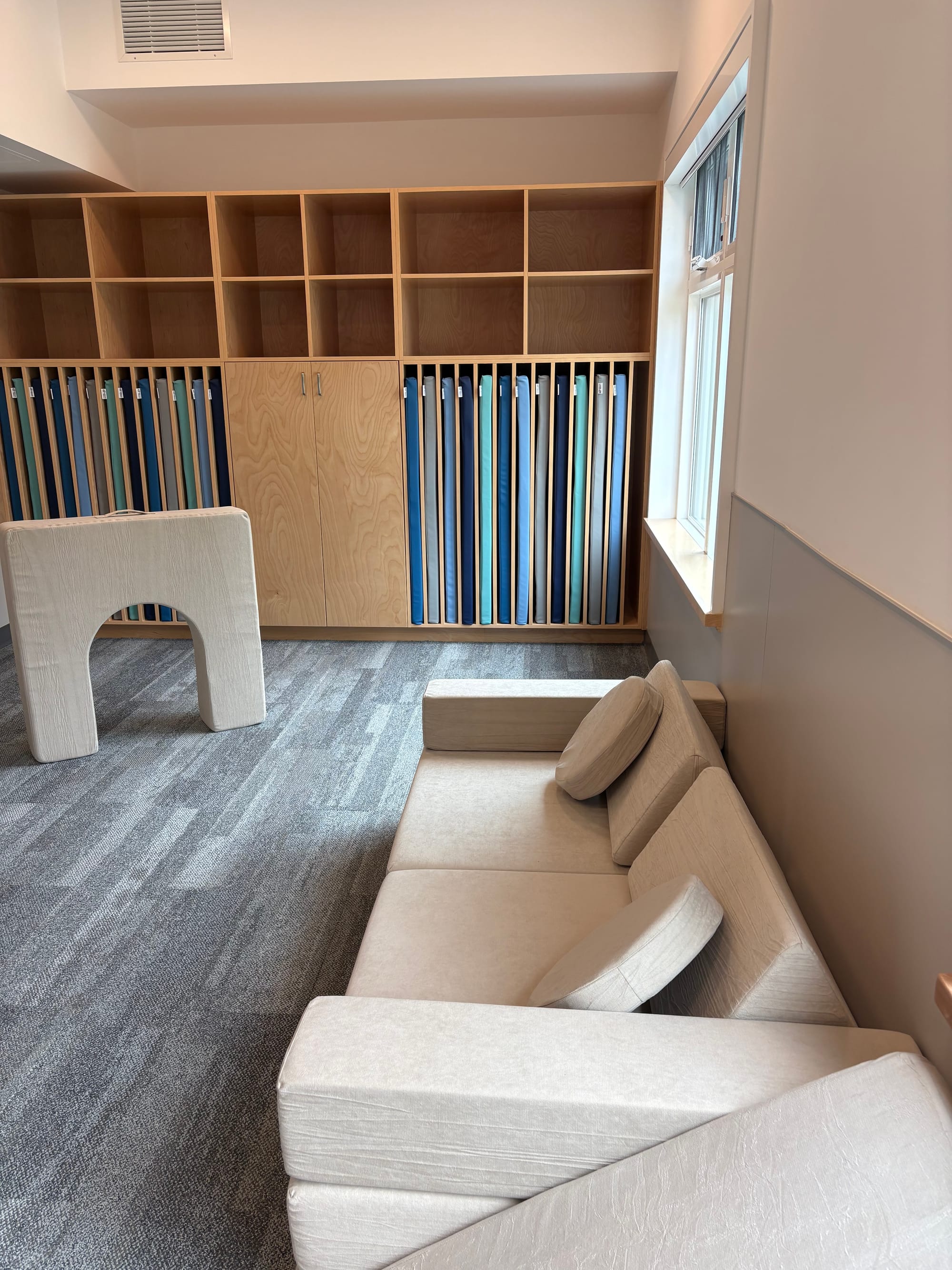
On budget, On time - June 1, 2026.
Efforts to integrate the early years into the K–12 system are not new; this work has been underway for well over a decade in B.C. Yet, despite this sustained attention, it has too often failed to take hold in senior leadership circles in a meaningful, lasting way. This must change.
A growing body of understanding around serve-and-return interactions, family systems, emotional regulation, human behaviour, and the profound impact of early experiences makes it clear that learning trajectories are shaped long before children formally enter K–12 schooling, and continue to influence how they engage with the education system for years to come. It is increasingly short-sighted for district leaders to overlook the importance of strategically embedding high-quality early learning and child care within the broader school system. Without this intentional integration, the long game of student success is compromised, with ripple effects felt across the entire K–12 journey.
I have always deeply appreciated the growing relationships with our child care partners in our school district. In our newest relationship with Twig+Owl, I am revisiting how their willingness to welcome me into their professional world has already enriched my thinking about how we can strengthen the K–12 integration model. It has reinforced for me how important it is to learn alongside one another if we are serious about building a more responsive, integrated system for children and families.
The knowledge of Early Childhood Educators deserves greater attention. Their passion, care, and depth of understanding around early developmental stages, alongside a deeply rooted belief in a child’s innate competency, are critical to the K–12 system.
Just last week, I had the treat of joining Twig+Owl’s professional learning day. I was struck by the passion of their educators, the thoughtfulness of their questions, and the professionalism of their team. I am excited about learning together as we continue to build a shared professional learning relationship that integrates and infuses knowledge across child care and K–12 education. This remains an area of untapped potential and will continue to be a key focus of the integration model we are building in my school district. There is no doubt that investing in shared learning will yield meaningful returns across the K–12 system for years to come.
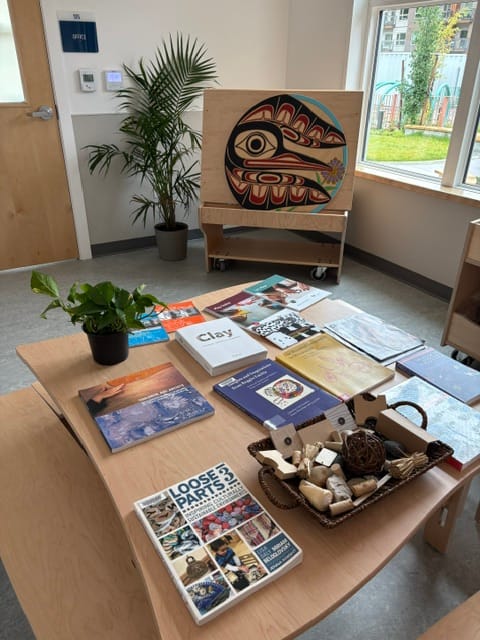
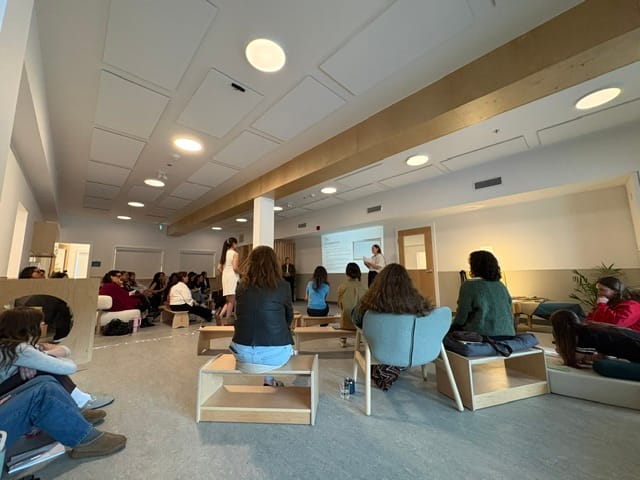
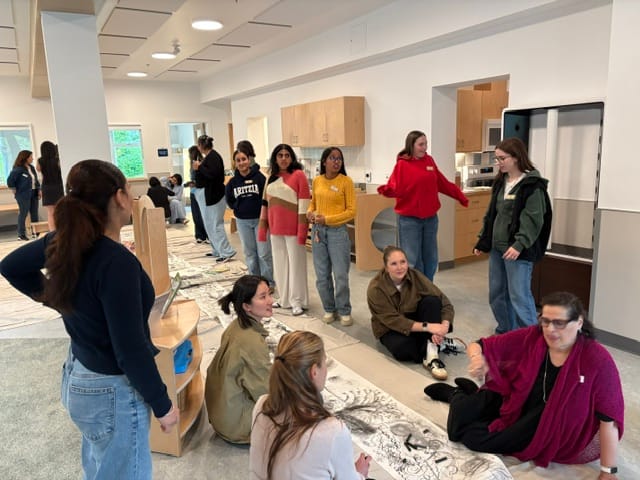
Twig+Owl professional learning day, June 26, 2026 at West Vancouver Schools Early Childhood Education Centre
A small but powerful moment from that afternoon has stayed with me, as I listened to Twig+Owl’s lead educators speak about crying as a nuanced and important form of communication. Their message resonated deeply, reminding me of the many ways learners communicate and the importance of listening with intention and without judgement.
Too often in education, we slip into a space of swiftly assuming that a behaviour means one thing or another. Infant crying is a powerful example of how complex human communication can be when we are not encouraged to think more deeply about context, tone, and nuance.
When we hear an infant or toddler cry, our first instinct is often to fix —to find a way to make the crying stop. As I listened to their perspective on crying, I began to draw parallels with our adolescent learners, reflecting on how often assumptions are made based on the form of their communication. It leaves me wondering about the immense potential of shared professional learning between child care and K–12 educators, exploring communication as a longitudinal developmental process and deepening our collective understanding over time.
I offer this as a living example of the kind of system integration school districts must begin to consider. There is a vast landscape still to explore as we continue aligning our professional systems in support of all learners. Many of these opportunities are low- to no-cost, yet we are only beginning to realize their potential as we open our doors to new partnerships and expand the professional connections that shape our day-to-day work with children and youth.
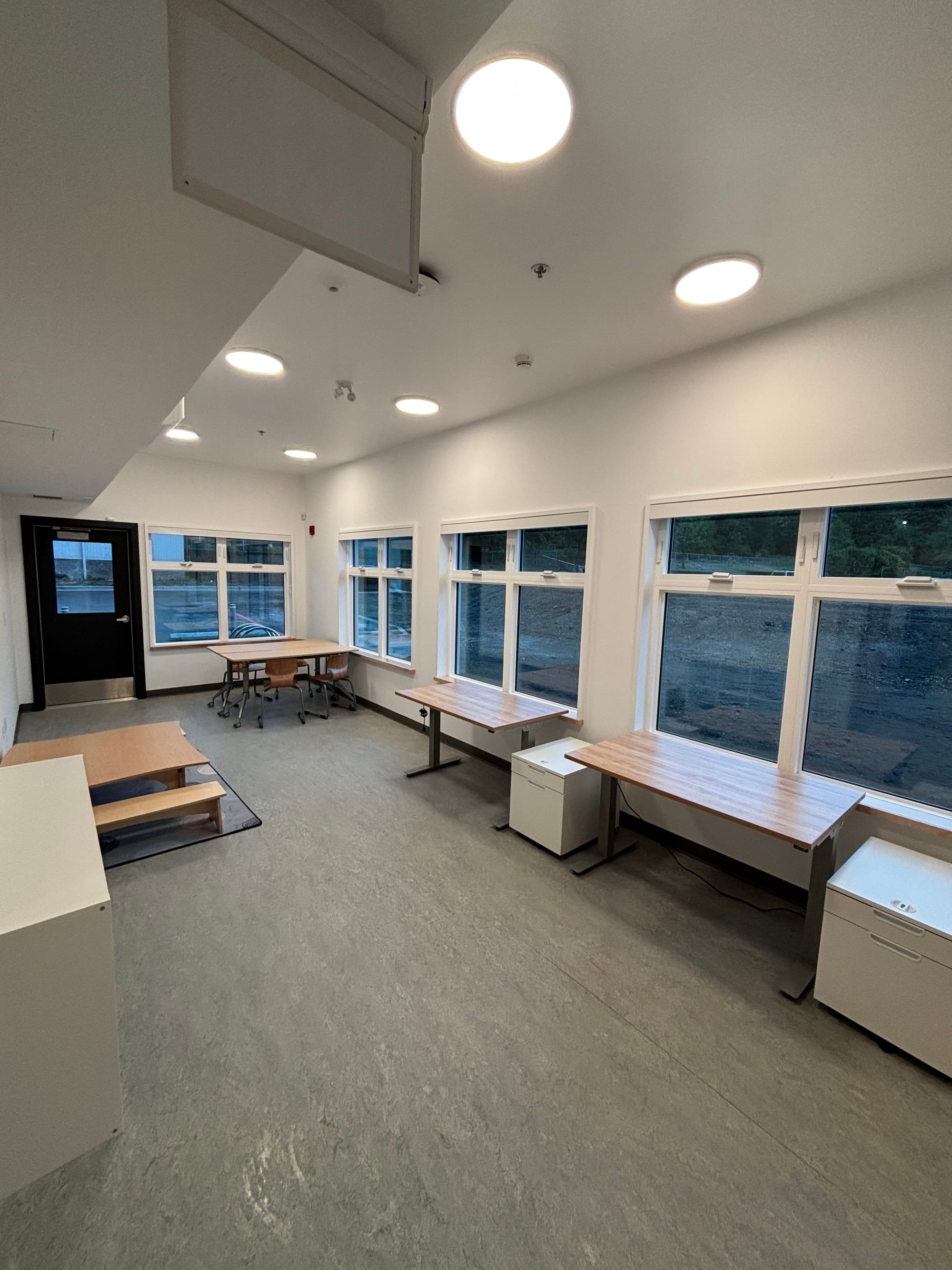
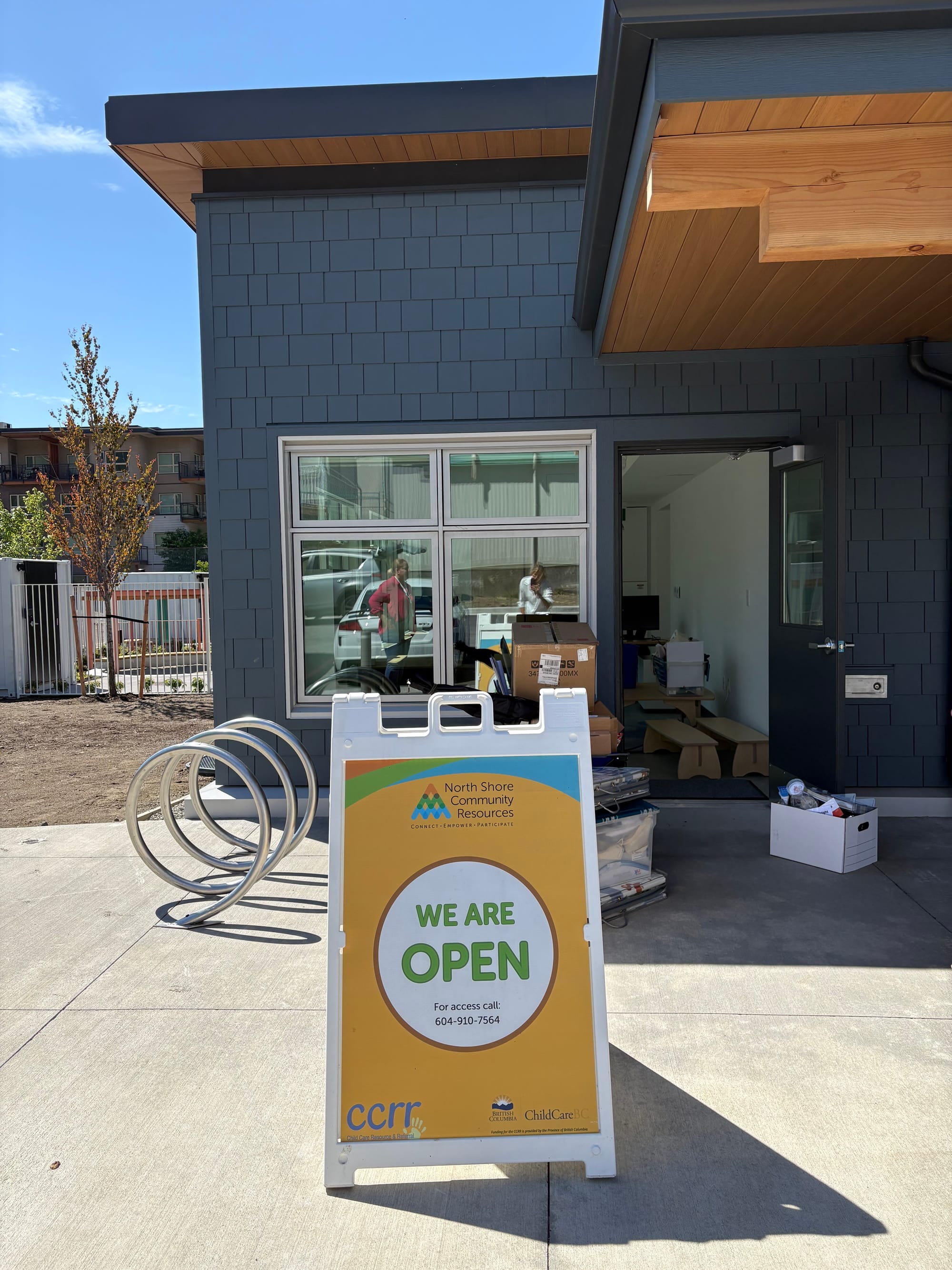
Moving Day, May 2026. West Vancouver Child Care Referral and Resource (CCRR) partners with West Vancouver School District to open their newest satellite office in our Early Childhood Education Centre.
When I think about the old adage “build it and they will come,” I feel excited and proud of the partnership work that is taking root at our Early Childhood Education Centre. From the onset of our application for ChildCareBC New Spaces funding, we had a vision for serving our community and establishing a hub model focused on service integration for young children and their families. Embedding core community partners into the physical build by creating dedicated office space was one strategy to ensure we stayed true to this vision.
I can’t count the number of times my colleague and companion in this work, Laine Anderson, and I joked that we just needed to get the doors of our new Early Childhood Education Centre open, knowing people would come.
In our design process, we were required to work within the constraints of the established footprint, available funding, and the reality of making difficult decisions regarding the allocation of space. For example, a designated staff room was not included in our final design of the early childhood education centre. This decision was made intentionally in order to maximize the use of space and direct resources for community outreach and educational programming.
While we recognize that dedicated gathering space for staff is important, we had to carefully balance this need against our goal of creating a comprehensive, community-focused design. This included prioritizing office space with a toy lending library, and a multi-use community room that will support before- and after-school care, as well as a broad range of community outreach offerings throughout the day and into the evening hours.
These were not easy decisions, but they were made thoughtfully, with clear priorities in mind, and a strong commitment to serving the broader community.
We acknowledge that our design is not without limitations; however, we believe there will be opportunities to address these through creative solutions and potential future enhancements. In retrospect, there may be elements we would approach differently, but overall, the decisions made were deliberate, well-considered, and guided by a strong intention to maximize the effectiveness and impact of the space.
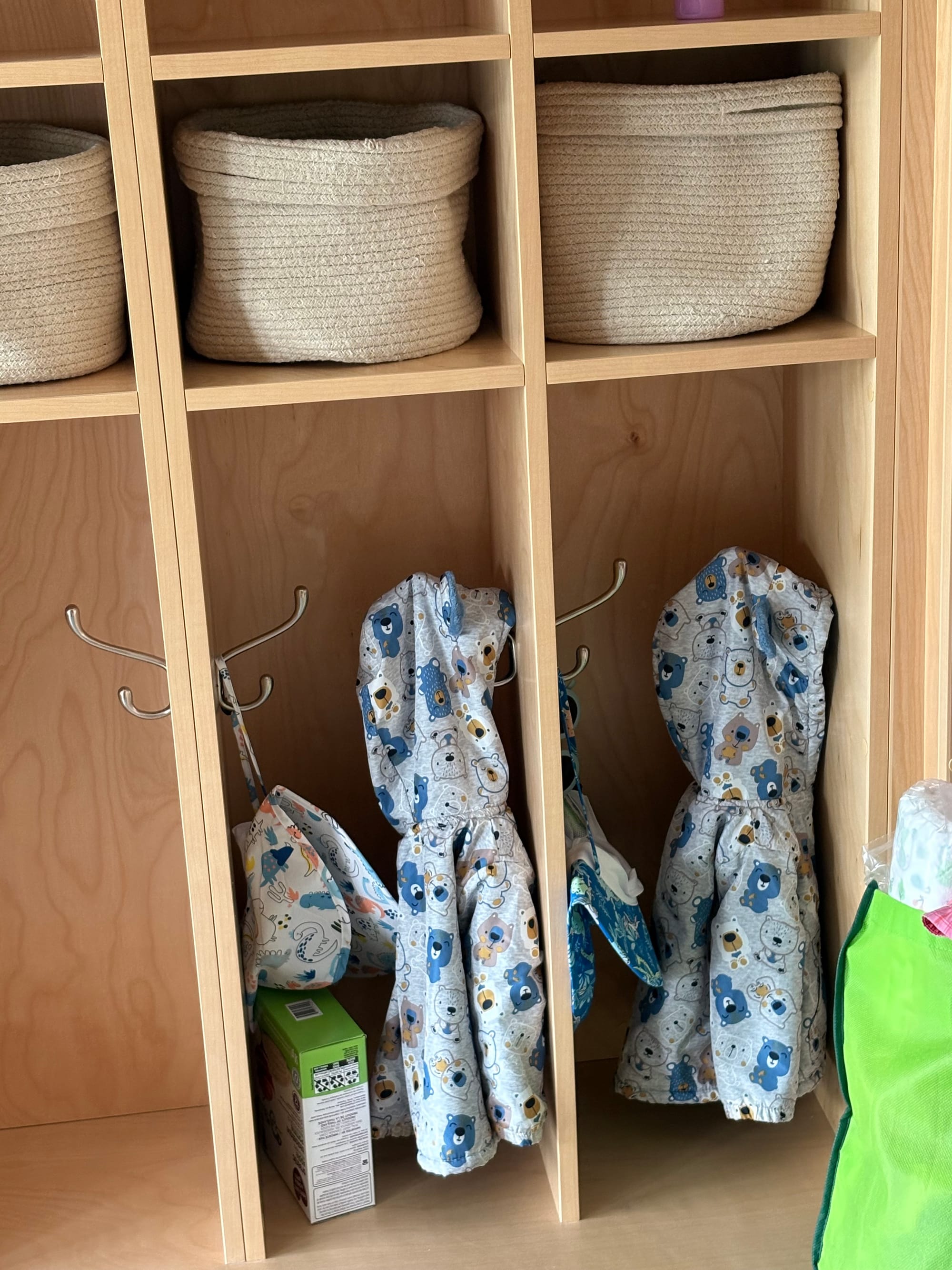
Ready for Action at West Vancouver Early Childhood Education Centre, June 3, 2026
As our province continues to move toward greater alignment between child care and the K–12 system, it is critically important that individuals currently working within public education are meaningfully included in both the design and implementation processes. If this perspective is absent, the conversation risks overlooking key considerations about how the system functions in practice, alongside the realities school districts face, including significant pressures and emerging opportunities to better serve all learners.
Bringing this work to life in a meaningful, inclusive and sustainable way requires experiential knowledge, strong community connections, and a deep understanding of school district operations, as well as the fiscal realities that shape decision-making. Ensuring these voices are present will strengthen the integrity of the process and support the development of a more responsive, cohesive, and effective educational system for learners of all ages.
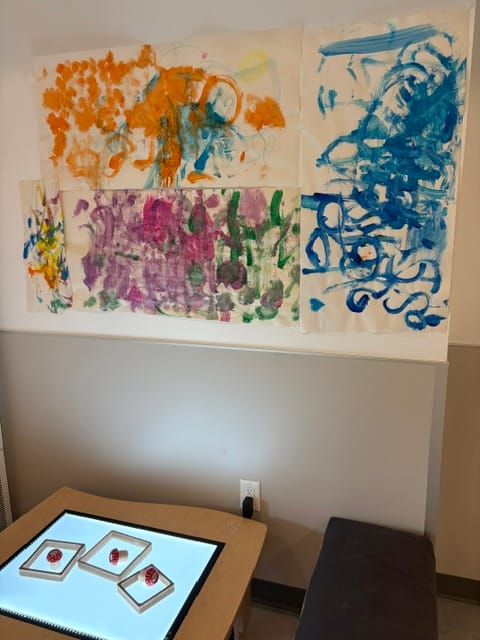
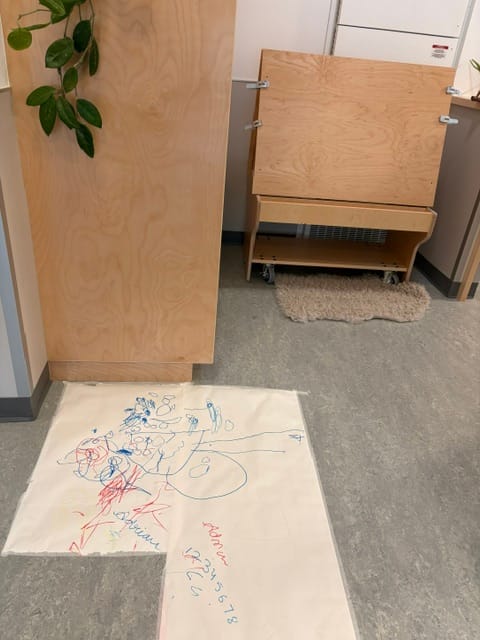
Bringing the Work to Life, Twig+Owl student artists in action, June 26, 2026
To anyone who believes early learning and child care have already had their moment in the sun within public education, may this spin serve as a clear and compelling reminder of our collective why as we nurture the healthy growth, development, and academic journeys of learners at all ages.
The work ahead is both complex and deeply important. It asks us to stay grounded in relationships, to remain responsive to the needs of our communities, and to continue learning alongside one another. There is still so much opportunity to create something meaningful, inclusive, and lasting as we bring together child care systems and K–12 structures.
We are only at the beginning of moving from investment to impact in B.C. School districts need to keep going, this journey is just getting started.
Author’s Note: A special thank you to everyone who contributed to the design, build, and opening of the West Vancouver Early Childhood Education Centre. Once again, you know who you are and what you gave to bring this outstanding project to life in our community.
As we move swiftly into full operation, outreach, community support, and education, our integrated approach at the West Vancouver Early Childhood Education Centre is grounded in the relationships we have prioritized and built over many years. The openness and partnership of Rebecca Ashton and the educational team at Twig+Owl Community Collective have also been integral to shaping this work at this early point in our journey. Together, we are lighting the way forward, and the future is bright.
In the spirit of transparency, I again used Copilot, my go-to AI tool, to assist with editing for clarity and readability.